Episode 2
How Verifiable Credentials Are Rewriting the Rules of Hiring Trust
32 mins
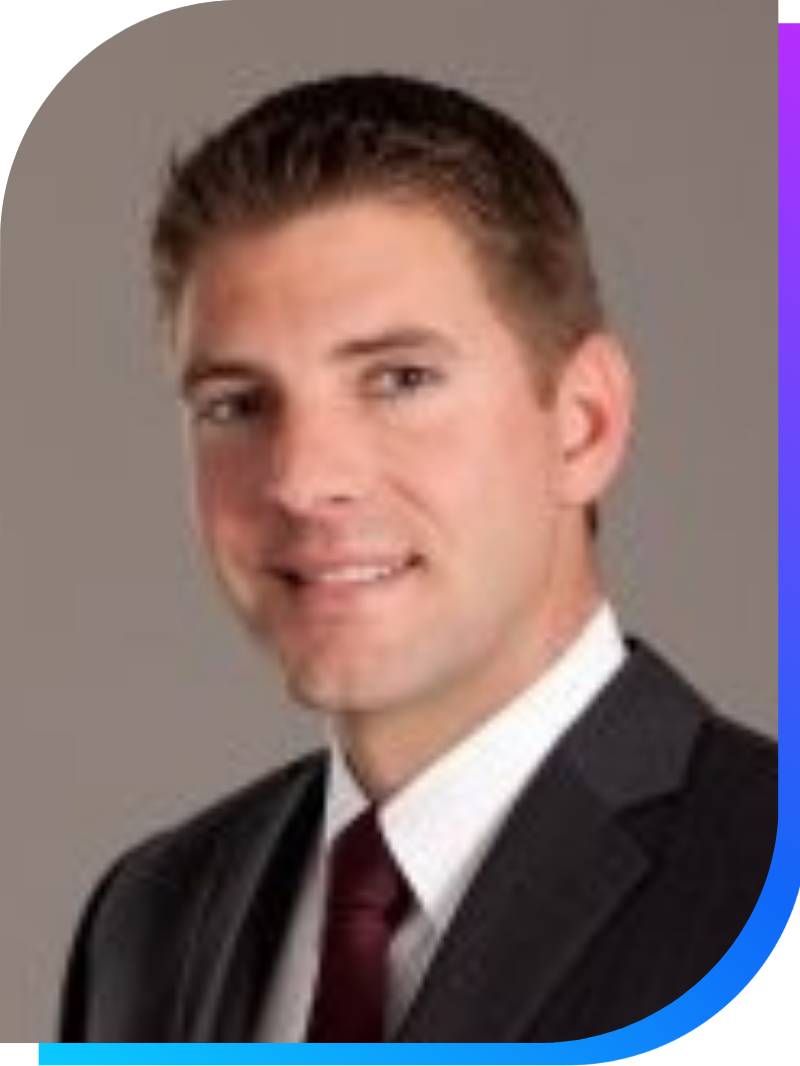
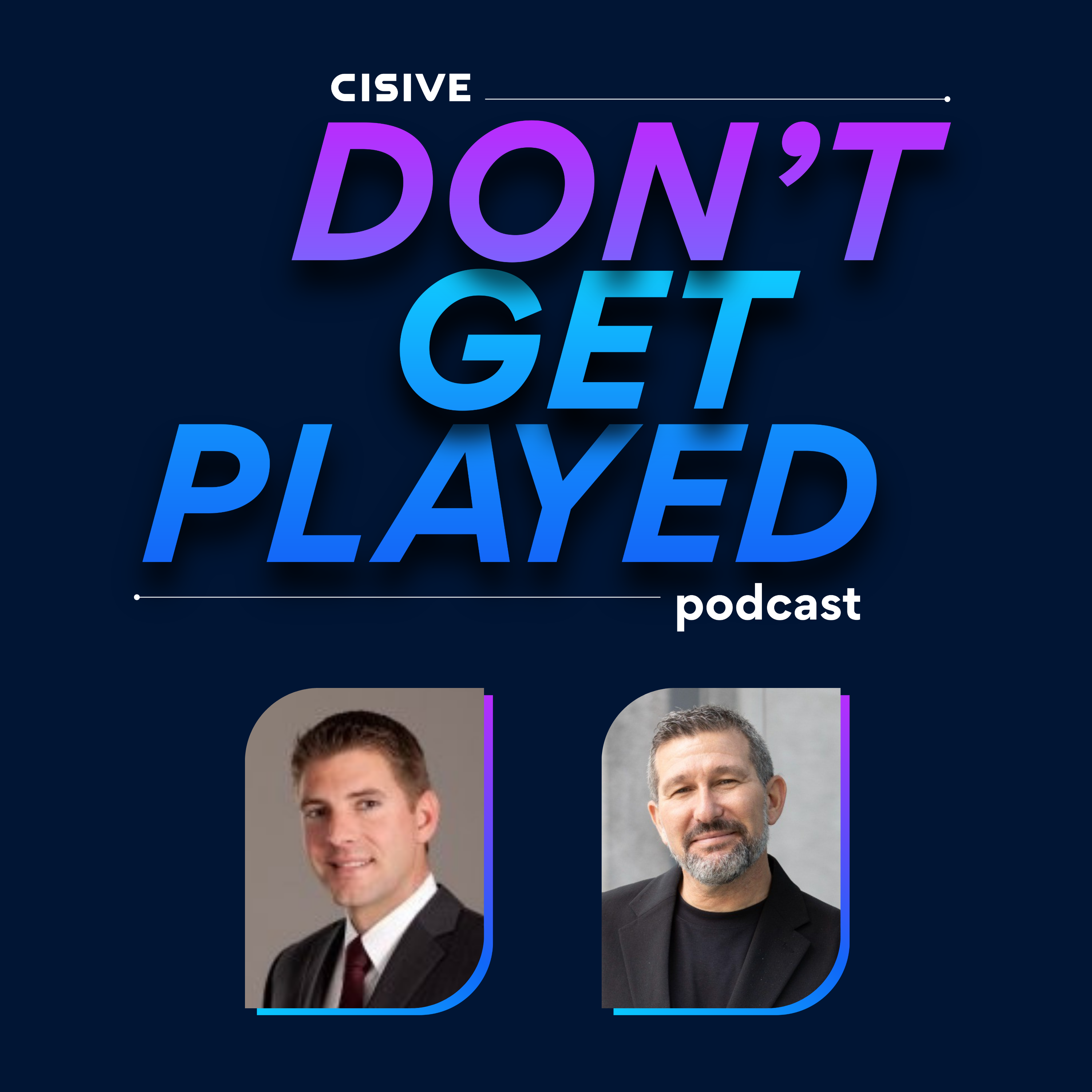
Zach Daigle
Chief Strategy and Customer Officer
Cisive
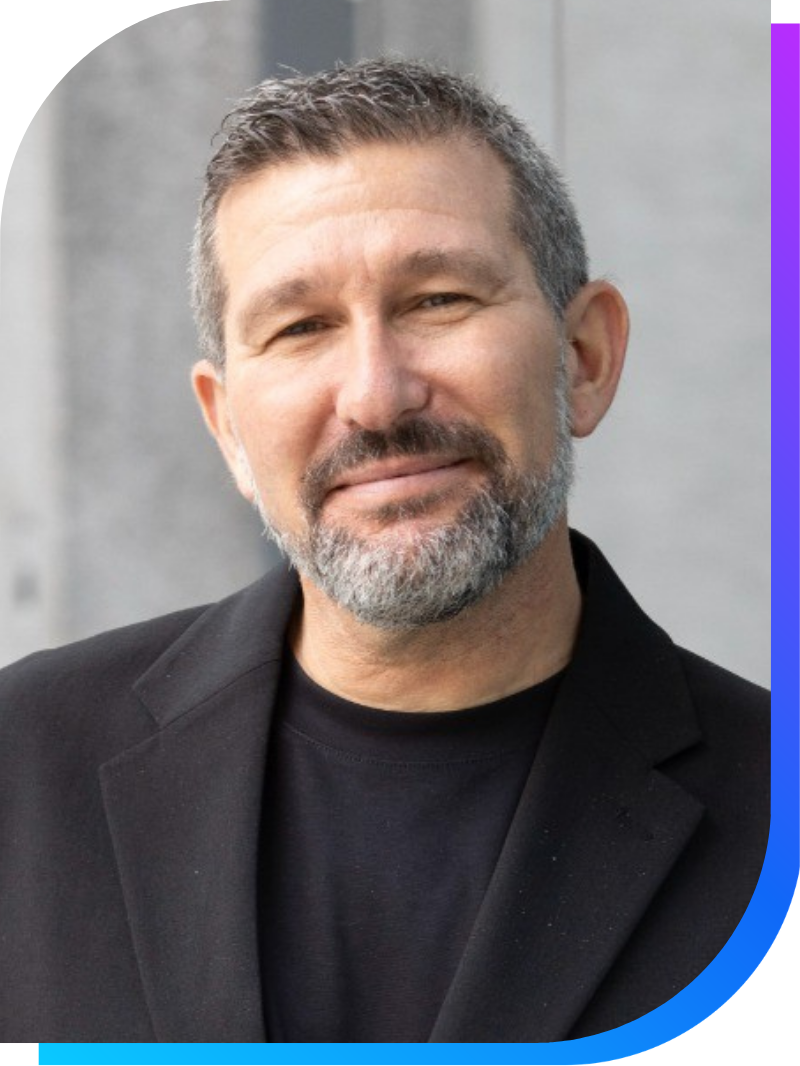
Etan Bernstein
Head of Ecosystem
Velocity Network Foundation
• 33 min
How Verifiable Credentials Are Rewriting the Rules of Hiring Trust
Don't Get Played
Play
Every hire begins with an act of faith. A candidate submits a resume, and employers spend days, up sometimes weeks, chasing down the truth behind it. That is not a technology problem. It is an architecture problem. And it has persisted, largely unchanged, for centuries.
The Don't Get Played podcast brings together two people working at the center of that architecture's reinvention. Zach Daigle is Chief Strategy and Customer Officer at Cisive and a board member at the Velocity Network Foundation, working with employers in highly regulated industries where compliance and speed are perpetually at war. Etan Bernstein is Head of Ecosystem at the Velocity Network Foundation, the organization building what it calls the "Internet of Careers" — open infrastructure for credentials that candidates own, carry, and share throughout their working lives.
Their conversation covers the potential transformation of the hiring process if a credential can prove itself. Imagine if a nursing license, a university degree, or a decade of work history didn't require a third party to vouch for it, because the cryptographic proof is already built in. The implications for hiring timelines, compliance programs, and the balance of power between employers and candidates are potentially revolutionary.
Why Credential Verification Is Still Broken in 2026
The current verification model isn’t a product of design. It’s an inefficient process. Candidates self-report. Employers and background screeners go verify. And the entire enterprise runs on the assumption that the original information is probably wrong until proven otherwise.
The Self-Reported Resume Problem: Why Every Fact Must Be Verified
"Every fact needs to be checked because there's no way to trust the source," Etan explained. "That's the basic premise behind the way the verification world has existed for a few hundred years, since the resume was invented."
What makes that premise so durable is not that it works well — it doesn't. There’s simply been no alternative to replace it. A PDF diploma is only marginally more trustworthy than a Word document. In a world of candidate fraud, there’s nothing in the file itself to prove it hasn't been altered. Daigle frames this problem in operational terms:
-
Clients hand Cisive a payload of unstructured, self-reported application data when an offer is accepted.
-
Clients ask Cisive to transform the application data into verified truth, quickly and at scale. It’s no small task. It means looking into education, employment history, criminal records, licenses, and certifications. This is how resume and employment verification protects employers: by turning claims into verified facts before those claims become workforce risk.
"It's really not just a technology challenge," Zach said. "It's a business paradigm shift that's required to get from that old model to where we need to be, to take friction out of this process."
What Verifiable Credentials Are and How Career Wallets Work
The paradigm shift that Zach describes is a verifiable credential. At its most basic, this is a new file format, but the change completely alters the verification equation. Using cryptography, a credential issued by a university or licensing body is locked to the individual who earned it. It cannot be altered. It cannot be transferred. And when it is shared, the recipient doesn't need to contact the original issuer to confirm its authenticity — the cryptographic signature does that work instantly.
"Verifiable credentials are immutable," Etan said. "They can't be changed. And if issued to an individual correctly, they're also binding to that person. Now, that changes the world completely in a way that now we can trust the information an individual shares."
The practical consequence is that primary source verification — the weeks-long process of contacting schools, employers, and licensing boards to confirm what a candidate already told you — becomes redundant for credentials that arrive in this format. The credential is the verification.
Etan explains how most people already carry verifiable credentials in their pockets. Apple Wallet and Google Pay hold cryptographic representations of credit cards and boarding passes. No one questions whether a mobile boarding pass is real. The career wallet extends that same trusted infrastructure to degrees, licenses, work history, and certifications.
Why Interoperability Is the Key to Making Verifiable Credentials Scale
The Velocity Network Foundation's most deliberate design choice was building an open, interoperable protocol rather than a proprietary platform. Etan uses examples of two familiar technologies to explain the distinction.
- Video conferencing is not interoperable. You cannot join a Zoom call from Teams. Each platform is a walled garden, which means everyone carries five different apps and nobody wins.
- Email, by contrast, is radically open. It doesn't matter whether sender and recipient use Gmail, Outlook, or a server built by someone neither of them has heard of — messages arrive. The protocol is free, distributed, and indifferent to commercial competition between the applications built on top of it.
"That is what we call open and interoperable," Etan said. "We've designed the Velocity Network to ensure that anyone can build technology, and anyone can receive credentials and issue credentials to every wallet in the world."
For the Velocity Network Foundation and the future of background screening, the goal is not another closed platform, but shared infrastructure that can support trusted hiring across systems.
That wallet-agnostic model is what drew Zach in early. Cisive's clients don't want to bet their compliance programs on which digital credentialing platform wins the market-share battle. They want infrastructure that remains stable regardless of which commercial players rise or fall.
Self-sovereignty is another important aspect of Velocity Network’s approach. It’s built on the principle that credentials belong to the individual, not the platform. Because a candidate's career operates on the same open logic as email, it can travel with them across every employer, every credential issuer, every background screener.
How Verifiable Credentials Reduce Screening Time from Days to Hours
The business case for the evolution of verification comes into focus most sharply in healthcare, where the cost of a slow hire is staffing shortages leading to compliance problems. Zach cited data putting the cost of a nurse not at the bedside at roughly $680 per day. The static credentials — the BSN degree, the years of labor and delivery experience — are the longest poles in the background check process for employers, often taking three to four business days just to receive a response from a school. The result? Hiring bottlenecks and a bad candidate experience.
When those credentials arrive as verified assets from a candidate's career wallet, that wait collapses to near-instantaneous. "We've actually measured this when it's come through organically," Zach said. And when the static credential verification compresses, the entire case compresses. The dynamic checks — criminal records, sex offender registries, license status — are already fast. Remove the long delay on education verification background checks and employment history, and offer-to-orientation timelines that currently span a week or more begin to look like a single business day.
"Imagine a world where you get an offer accepted, and you can go into orientation the next day," Zach said. "That is game-changing for them."
Cisive's Role in the Future of Credential Verification
Zach's longer-range vision extends well beyond faster turnaround. He described a future where background screening firms stop issuing static PDF reports after a waiting period and instead sit as continuous compliance monitors inside the talent lifecycle — flagging credential changes in real time, surfacing pre-screened candidate pools to employers facing critical shortages, and ensuring that verified data flows into the right decision point in the hiring sequence without creating new legal exposure.
"The new background platform is no platform," he said. "What I mean by that is I think it's data flowing seamlessly through all of the right technology and logic layers to deliver the most real-time compliance we've ever seen in the world."
The irony of hiring in the era of near-instant everything is that employment verification services still run on infrastructure built for a slower world. Verifiable credentials don't just accelerate that exchange. They change who controls it, who has to ask permission for it, and who bears the cost when it breaks down. For the HR and talent acquisition leaders who have spent years managing the gap between what candidates claim and what employers can confirm, that shift is not incremental. It’s foundational.
Transcript
Etan Bernstein:
Verifiable credentials are immutable; they can't be changed. And if issued to an individual correctly, they're also binded to that person. Now, that changes the world completely in a way that now we can trust the information in individual shares.
Zach Daigle:
And that's the big challenge, it's really not just a technology challenge, it's a business paradigm shift that's required to get from that old model to where we need to be to take friction out of this process.
Sarah O'Melia:
Welcome to Don't Get Played, a podcast from Cisive. This show is for talent acquisition leaders and people managers who care about trust at work, how it's built, how it's measured, and how leaders design systems that hold up when speed, risk, and accountability collide.
I'm Sarah O'Melia, VP of learning and employee communications at Cisive. Today we're talking about one of the biggest bottlenecks in hiring, credential verification. Most hiring still runs on self-reported information, resumes, PDFs, documents that get uploaded and verified days later. Then we layer regulation and compliance on top and expect it to move faster.
So what changes when credentials themselves become verifiable? When education, licenses, and work history can be authenticated in near real-time and when candidates control their own career data. To explore that, I'm joined by Zach Daigle, chief strategy and customer Officer at Cisive, and a board member at the Velocity Network Foundation. Zach works closely with employers in highly regulated industries where speed and compliance collide.
I'm also joined by Etan Bernstein, HR entrepreneur and head of ecosystem at the Velocity Network Foundation, who is helping build what Velocity calls the internet of careers, and open infrastructure for verifiable, portable credentials.
In this episode, we unpack what is broken in traditional verification, how career wallets actually work, why interoperability matters, and what hiring looks like when verification moves from days to near real-time. Let's get started.
Zach and Etan, welcome to the podcast. So as our listeners know, screening can be the number one hiring bottleneck in the hiring process.
So Etan, what's not working in credential verification today and why hasn't that changed?
Etan Bernstein:
The whole way credential verification has existed forever is individual self-reporting information. Then formats have changed over time, but they've started from a paper resume and then they were sent by mail and then by fax and then by email and then by PDF and maybe today by a LinkedIn profile. But it's really self-report information, an individual can write anything they want, claim any claims that they want.
And then it's on the onus of the employer or the background screener to go and check that all that information is correct. Of course, as some of that information may be more easily verified with existing sources and some of it may be more difficult to verify, but in general, every fact needs to be checked because there's no way to trust the source, the candidate, sharing the information.
And that's the basic premise behind the way the verification world has existed for a few hundred years, since the resume was invented a few hundred years ago. And of course, in regulated industries, there's a really high responsibility for the employers and their screening services to ensure that that information is correct, in less regulated industries often less. But still, that's the challenge of then going off to all the relevant sources to verify information. And we'll talk about today that there is an alternative to that whole approach.
Sarah O'Melia:
So you mentioned these different journeys, right? So you mentioned facts and PDFs.
So Zach, when we talk about verifiable credentials, how is that different from a PDF resume?
Zach Daigle:
Yeah. So first, you think about the resume process or really think about the apply process for our employer clients. They're getting all self-reported data that comes from typically an uploaded parsed resume. So it's all these facts about a person in a resume that are just reported by the individual. They're not verified by anyone. And then our clients integrate or we integrate with those applicant tracking systems and then we get that payload coming over into our process. And so at the time of typically offer acceptance, we're getting all of that application data from the applied process, which is just self-reported information about someone.
So for our clients, they're like, "Okay, can you turn all this self-reported, often unstructured information, and to verify data using primary source methodologies for these highly regulated verticals, and can you give us assurance that what this person claims is true. And can you not only verify things that are like static career attributes like your completed education, your completed work experience, but can you also go check things that dynamically change in virtual real-time or in real-time, like criminal records and sex offender registry searches and licenses and certifications and sanctions and all these risk mitigating factors."
So it's really the combination of all of that needs to happen in a package for them to be compliant. But to your question, I think it's taking analog traditional flat file resume information that's unstructured, self-reported, and then trying to, how do we turn that into something that we can trust and that has been verified and authenticated, is immutable. And that's the big challenge, and this is the big ... It's really not just a technology challenge, it's a business paradigm shift that's required to get from that old model to where we need to be to take friction out of this process.
Etan Bernstein:
So think about verifiable credentials as just a new format. So I mentioned we went from Word documents to PDF documents to maybe other kinds of documents, but a verifiable credential is a new format. But what's unique about that format is the ability to lock it down in a way that's immutable. Zach mentioned the term immutable, lock it down in a way that's immutable and tie it in a binding way using cryptography to an individual. And that completely revolutionizes the whole way we've exchanged data up till now. Because up till now, I get a piece of paper from my institution or a PDF file, nothing is stopping me from changing that. Verifiable credentials are immutable, they can't be changed.
And if issued to an individual correctly, they're also binded to that person. Now that changes the world completely in a way that now we can trust the information and individual shares because an individual, for instance, was issued their university degree as a verifiable credential. When they share that new format, you can immediately know that credential has not been tampered with. It was actually issued to that person. You don't need to go back to the university or other primary source to verify that information. And so it reduces the entire need to do primary source verification. You just need to verify that the cryptographic lock that's basically on that verifiable credential has not been tampered with. That completely changes ownership of data. So it gives people the ownership for the data, and it completely revolutionizes the effort required to do a verification.
Sarah O'Melia:
One thing that both of you all mentioned was that this was revolutionizing or really rethinking the models, the technology, the approaches that we're putting towards this.
And so, Zach, you are a founding member of the Velocity Network Foundation. So why did you lean into this so early?
Zach Daigle:
It's a great question. People ask me this question very often because I'm in the world of background screening and resume verification work. It's a complicated answer. But when you talk to our customers, one, we're a very client-centric organization. So we are always talking to our employer clients, talent acquisition leaders, and they're saying, "This must change. This will not work. This will not scale. The world has to change." And so when I hear that from enough people that I respect and the people that we serve in our business, I realize that we better get in front of this. We better be a leader where this is headed, rather than just being disrupted or impacted by it.
And so we see, what we like about Velocity is that it's creating an open model, has a great governance structure. It's a utility layer, it's wallet agnostic. So any digital peer wallets can play on this utility layer, and we can give a great experience to any candidates who want to share credentials with us in the process, and use those as a new primary source verification methodology when they have them in their wallets. And so we want to allow our customers to be disruptive through our partnership and not have to go out and build all these things and keep up with the technology and all the things that are changing at a faster and faster rate. They could just partner with Cisive and be able to get to this. And so that was really what drove me into this is like, I don't want to be reacting to this revolutionary change, I want us leading the change, and making sure our customers can get access to it without massive investment in time, because I think that's a role it's really important that we play.
Sarah O'Melia:
You mentioned a phrase, and I want to hone in on that and get a little bit of a deeper explanation.
So, Etan, can you walk us through the career wallet concept and what lives in it?
Etan Bernstein:
Absolutely. So I think almost everyone already is aware that there's a digital wallet on your phone, and most people use that for probably two things. One, you probably are using it for payments, right? So most people are using Apple Pay or Google Pay or some other form of wallet instead of pulling out the physical credit card. And basically it holds a cryptographic version of that credit card to make it very oversimplified and enables you to make payments that people already recognize, most people already recognize and use. And another thing most people already recognize and use is using a digital wallet for tickets. For instance, for boarding passes for airlines, or for shows or national parks or places like that, where you download a virtual ticket into a wallet and then you share that to a ticket office or whatever. So those are two examples that most people already can recognize, right?
Think of exactly the same thing as a wallet as a holding application for your degree or your diploma, for your nursing license, or your driver's license, if you're a long haul driver, for your certifications, for your employment records, for your history of employment, all in the same way you hold little cards within your wallet, exactly the same way. And in the same way that people can trust that, I don't think very many people know what's behind that Apple Wallet or Google Wallet, but in the end, there's elements of trust, digital trust, legal elements, all kinds of things that make it possible to be able to put cards into that wallet and then share that. The Velocity Network enables wallets to also do the same thing with career-related data, licenses and certifications, work experience, and education, and hold it in the same way you would recognize in a digital wallet.
And just like you can usually download a boarding pass, you have the option of putting it on a Google Wallet or an Apple Wallet, and some airlines have their own wallets. That is what Zach referred to as being wallet agnostic, right? It doesn't only work on one wallet, it works on many wallets so that people have a choice of which kind of application they want to use. The way we design the Velocity Network as a open protocol is that you can choose a wallet, and there'll be many wallets in the same way there are many browsers, right? Some people like to use Chrome and some people like to use Edge and some people like to use Firefox or other when they browse the internet, in the same way an individual can choose which wallet they want to hold these credentials in. And then they can use them in any form of interaction, it doesn't matter what wallet they've decided to use.
Sarah O'Melia:
I'm thinking through what you said. And so would these wallets be owned and held by the candidates, the employers, or both?
Etan Bernstein:
Great question. So our approach, we believe very strongly that digital credentials should be owned by the individuals. When you look at the complexity of the labor market and what individuals go through from K-12, from their very basic education, through their entire career, lifelong learning cycles and experiences they gain and so on, they move across dozens, sometimes even hundreds of different sources throughout their career. You may go to different training bodies and certification bodies, you work in different places. If you're a gig worker, you may be taking projects from many different organizations.
And we believe that the individual should be curating, collecting and curating proof of their experiences, their knowledge, their skills, their licenses and certifications throughout their life. And so the individual are putting the individual in the center and giving the individual agency over their data. Of course, the employer still is responsible and owns the data for that person when they're employed by that individual and they can decide what to issue the individual. But when you look at the lifetime and collection, the individual is in the center and it's in the individual that owns the wallet and takes that wallet wherever they go across all these different issuing bodies and relying parties.
Zach Daigle:
One thing I would just add is that the reason why I've put so much effort and focus in Velocity in this open protocol is that it allows for interoperability. And so we don't want to be chasing commercial winners and losers and reacting to things that are happening in the market, and that's going to happen. Of course, as businesses change, investments are made. We're trying to play a role where we're agnostic to that change upstream of us, and that because we focused on the schema and utility layer that creates interoperability in the labor market, that anyone can benefit from it and anyone can interact with our candidate concierge processes in a seamless way. And we don't have to worry about revolutionary change to the way that the intake process works for recruitment automation tools and for applicant tracking systems and for large employer clients. And we can still have this massive impact for the whole ecosystem by the way that we're implementing on a more interoperable model.
So I think that's something that's really important. And the term we use around what Etan was mentioning is the self-sovereignty. So self-sovereign identity, meaning I can prove that I am who I say I am with trust. And then once you have the identity attribute on a wallet, now you can hang all of these other credentials and attributes about you in that wallet and create trust and have that interoperability I talk about. And career credentials are a great, a lot of career credentials are static, you have a degree that you completed a long time ago. It doesn't really change in value over time, but you must be able to prove to people in these different use cases at different moments in your life that it's real, that you got it, that you achieved that level of learning.
And so this model gives the person agency over their own career, their own credentials, and allows them to share them for anybody participating on Velocity very seamlessly and with that trust. And so I think that's really, I hope that helps to explain sort of what self-sovereignty means. And the person also has the choice to choose which elements to share about myself. So it allows them to decide, for this use case, do I want to give them my education, all my work experience, all my licenses, or for this use case, maybe buying a home, I only want to share my work experience because that's what's important for this context. So that's what's really unique about this and putting the individual and the consumer at the center of that decision-making process. And so everything that flows from there is consent-based by the individual.
Etan Bernstein:
And Sarah, just to add to that, Zach mentioned two terms that I think are really important to band on a little bit, which are open and interoperable. So think about two different scenarios that we have today. One that isn't open and interoperable and one that is, just to give the listeners the context. So think of video conferencing, we all use many different kinds of video conferencing, and they're not open or interoperable, which means I can't connect to Zoom with Teams. I can't use WebEx with another type of solution. And so we all are using five, seven, 12 different video conferencing methods. They each have messed up our computer and our video and our voice and everything, and we're constantly trying to figure out how to use them. Instead of them all basically, they're all showing a picture and recording sound, right? Why shouldn't they all connect?
That's an example that isn't open in that they each have their own protocol, and it isn't interoperable in that they don't connect to each other and open. On the other hand, think about email. Think about, it's pretty amazing when you think about how email works, that it doesn't matter what email server you use. It doesn't matter if you use Outlook or Gmail or anyone can develop an email server, by the way. It's open source code, it's completely free, that's open. And it's also completely interoperable, which means any email can send an email from any inbox to any other inbox in the world without even caring or knowing what technology the other inbox is using. Are they on a phone or on a computer? Are they on Gmail or using Microsoft or some other format? That is what we call open and interoperable. As a user, you completely don't care what happens behind the scenes, but you can interact with everyone in the world, right?
And regardless of where they are, what systems they're using, what technology is their emails on. That's amazing. And that's what we mean when we say open and interoperable. So we've designed the Velocity Network to ensure that anyone can build technology and anyone can receive credentials and issue credentials to every wallet in the world, as long as they adhere to the same protocol, like with email, as long as you adhere to the Velocity protocol, which is free and open, you can receive credentials from anyone and issue credentials to anyone and every wallet will work with everything. And that's really an important concept because many of the solutions out there today are closed and not interoperable. So in the end, very much limiting the individual. If you think of credentialing platforms today, for instance, I may have three credentials on Credly and two on Badger and one on a Credible, and I can't consolidate them and I can't even necessarily share them easily with any third party. And that's very different than an open and interoperable ecosystem.
Sarah O'Melia:
I love that you call that out. And I don't want to assume any answers, but when you talk about the open and the interoperability of the system, that makes me want to go into how Velocity Network is known, right? It's called the Internet of Careers. So what does that mean in human terms? Does it have anything to do with that openness, with that interoperability?
Etan Bernstein:
We called it the Internet of Careers exactly in order to portray the openness of the internet. So the internet is an amazing thing. It's a distributed open solution that anyone can connect to. It supports many different technologies, many different solutions, different browsers, different technologies and generations, but they're all based on some really core elements behind the scenes that unless you're a technical person, most people don't even know what they are. There is a backbone of the internet, physical backbone, cables and things and servers. There are DNS servers, which makes sure that all the information gets routed. There is TCP/IP, which is the core protocol that enables the internet to run. Those are things most of us don't even care about. We don't even know they exist.
They're completely oblivious to us because they're behind the scenes. But those are the basic elements that are free and open and enable the internet to be available to everyone and build great things on top of that. The Velocity Network works on the same concept. It's an open, interoperable, distributed solution, distributed in that it has many nodes and is not sitting in one place, but really is a distributed solution like the internet is a distributed solution, and it's available to anyone. Anyone can join it, get on it, build things on top of it, and so on. And that's why we chose to call it the Internet of Careers. It's an infrastructure, an open infrastructure that enables creativity and innovation in the same way that the internet is open enough to have created all this amazing creativity and innovation with applications and solutions we've all grown to know and use every day.
Sarah O'Melia:
So when I hear about this, a lot of the emphasis has been on the convenience to the individuals, which is so important, that experience. I also want to talk to how this is going to pertain to people who are tuning in with us, the HR or TA leaders.
So Zach, how does this model address ... It's a two-pronged question here, but how does it address privacy and consent, as well as time and cost savings compared to traditional background screens?
Zach Daigle:
Yeah, great question. So I think in terms of privacy and consent, I think by making it a self-sovereign model, the person is naturally and inherently [inaudible 00:21:32] consent because they choose when to share information, what information to choose, the scope of the information they're sharing, and for what use cases. So there's no information that can ... They offer the cryptographic key to unlock this record on the distributed ledger, which allows you to verify this record. And so they're completely in control of their destiny from that standpoint. So I think that addresses both, I mean, the privacy question very well and in a way that's pretty revolutionary, right? Because today in other models, we're having to go seek consent from them when there is this context to do something with their data. And it's a very high friction process and it's difficult to always make sure that you've gotten consent properly.
The question on time and cost, which is really the one that drives my passion and our client's interest is when you think about background screening, you think about how HR and TA professionals are thinking about their success around their onboarding programs, it's largely around days to fill or time to fill. How long does it take from the time I know I need to hire a position and in healthcare, which I spend a lot of time in, to get a nurse at the bedside, right? So when you look at what goes into a background screening package, we play one part of that role in that layer cakeup steps that have to happen to get somebody onboarded. But it's a critical piece because temporally we come in and offer acceptance. So offer acceptance, you know you already want this person, they've accepted the offer and now the clots are running to get them into orientation and get them to the bedside.
So how does this impact it? Imagine having somebody that has a career wallet that has their education required for their RN position that they're looking for. They already have their work experience that proves they have the 10 years required for this position in labor and delivery, and they come into our candidate concierge process. They've completed their consent for background check after offer acceptance. So now our system looks at those records and says, "Yes, I did require this degree, this BSN degree, and I've got a BSN degree." And that is now verified with the primary source, near instantaneously. So we've actually measured this when it's come through organically. And so a process that may take on average three to four business days to get a school to respond to you, to send a consent form over to them, to fax or email all the stuff you have to do, now we've instantly verified that item.
So when you step back and look at a typical background screening case and what investigations go into it, the static attribute piece, those educations and past work experience take the longest time. So if you take the longest polls in the tent, pull them in materially through this process, now the dynamic things you do for risk mitigation around criminal and sex offender and sanctions and license, we have used innovation to make those processes very fast, calling 90% of things being done within the first day or even the first hour. So if we can now get the benefit because the long polls have come in through the use of digital, verified with digital credentials for those hard to get items, now the total time service to those customers is much lower by days, not hours. So imagine a world where you get an offer accepted and you can go into orientation the next day.
That is game changer for them. I think I saw data last year that it cost about $680 a day for every day the nurse is off the bedside. So if you improved your time service by four business days, six calendar days, imagine the impact to all of these organizations and how quickly they can get people they need on the job, but not give one single ounce back in terms of acquiescence on the quality and the accuracy and the compliance around accreditation standards that are required. That's the dream. And it's very tangible. We're already seeing and measuring that when it comes through organically today for clients who have activated this, and it's an instant verification essentially on those elements.
Sarah O'Melia:
And when that does happen, right, what happened to the traditional screening process when those static credentials become automated, does this finally kill the endless, please upload your transcript again loop?
Zach Daigle:
Well, I'll tackle what I think happens to traditional background screening the way it's done today. I think the set it and forget it model of send me some input data and then I go run off for several days and do things. I think that's going away, and it really has to in this age of consumers and people expecting instant gratification and access. So I think that's naturally occurring either way. I think for our business though, we sit at a very unique place to be able to, like I said, curate this great experience for people to give them the most benefit as this adoption occurs here. Yeah, I think waiting for transcripts and all of those types of requests, they go into a queue, you have to have a person go get some information, send something, analog data back to somebody. I think those all end up kind of going away, and they all evolve to a much more digital and self-sovereign model where when I complete the thing that I paid for, there's an exchange of value and I now own the proof that I got that value for my degree, for my training, for my apprenticeship, for my volunteerism.
So I just think it's going to completely change. I think that people are going to start to expect, I think consumers will begin to expect that too. They're not going to wait for an emailed picture about a Palma that has zero utility in their life. They're going to say, "I expect to go to a place that has a modern approach that gives me the proof that I completed this. I can have immediate utility to utilize those items." And I don't think employers are going to wait around for people who are verifying things along old traditional rails of fax and email and Pony Express and whatever it may be, that they're going to expect modern partners to do this for, or they'll do it themselves. But I think if we do it right and we lead, our customers still want a central place for all of this compliance to be managed and they want somebody who can handle along this evolution curve, our adoption curve, if you will, which may take a decade or a generation.
They need somebody who can understand how the different data's going to come to them. It can innovate on the things that they can automate and use agentic AI and all these ways to get data, but where there's verifiable information that has authenticity and is interoperable, that we create the most seamless way that we can pull it in and combine it with those other ways that we collect data and then produce the result that's needed for that use case to meet those accreditation standards and requirements, and make sure our clients don't step in it by moving decisions upstream or downstream or breaking them into pieces because they're getting data now, "Oh, it's instant, I can get it." But if you're getting at the wrong step in the process that's not combined with the right elements, you can make a bad decision or have disparate impact. And so I just think that's how adoption's going to occur and I think that's the role that we need to play. Everything is going to be disrupted to a certain degree. It's just the era that we're in.
Sarah O'Melia:
That's an excellent example. And so as we're visualizing, because this is cutting-edge technology, this is reinventing what systems and capabilities look like. So in five years from now, will background screenings even look or resemble our present-day background screenings, or do you feel like they're going to work and appear and process completely differently?
Zach Daigle:
So I think they'll look very different. Like I said before, I think earlier on in the podcast is that I don't think you'll have a request and then you'll wait a bunch of days and get back a PDF-type report. I think things are going to be much more API driven. I think I sometimes say that the new background platform is no platform. What I mean by that is I think it's data flowing seamlessly through all of the right technology and logic layers to deliver compliance, the most real-time compliance we've ever seen in the world, and do this so seamlessly for everyone, for all of the constituents, all the stakeholders along the continuum.
So starting one's career in education, going through their life, the data's sort of flowing in and out of these critical business systems, and companies like Cisive will be playing a major role in making sure that we're the watchdog that every time there's context to be screened or to monitor in real-time or to notify, and to also make sure that it's an audit-ready, you're taking a snapshot in that moment in time to show the efficacy of that program and have audit-ready tools for people that are going to be still have to be accredited as things evolve, and helping clients stay compliant in a new world where data could be coming into upstream of our process and the recruitment automation process to de-risk candidates with verified data. But that's not necessarily the person you want making a decision about the risk to the organization at that point upstream of us.
So we have to be there for them to protect them against themselves in many ways, and to just keep them comply I am through the entire process and be able to configure our approach to meet the demands of the verticals that we serve who have nuanced requirements that may change and evolve over time. So I think to answer your question more pointedly is that it's going to change. It's going to be a much more real-time approach, but I think we're going to be much more deeply integrated into their compliance program and maybe even helping them to reduce friction from a talent acquisition standpoint because of the way we're doing things so real-time, even pre-screening candidates for them.
So imagine bringing them rules and cohorts of candidates that say, "Hey, you need a radiologist right now terribly bad. There's a big shortage. We have thousands that have met 40% of your requirement today. Let me give you a de-risk population and allow you to tell me that if maybe incentivize candidates to do more of the work upfront so that when you're ready to make a decision, you don't wait for any time."
And then also because you have verifiable digital credentials increasing as a total portion of the person's digital wallet, so you have more and more verified, less and less self-reported, that it becomes faster regardless of when you say, I need that. I have context to go check those items. So I think it just becomes a much more seamless way for people to be compliant, for data to be exchanged and for people to own agency over their careers and decide when they want to go after opportunities and not have to wait for other people to allow them to do so.
Sarah O'Melia:
Thank you so much for coming on. You shared so much invaluable information.
Etan Bernstein:
Thank you very much.
Zach Daigle:
Thanks, Sarah.
Sarah O'Melia:
Zach, Etan, thank you both for your deep insights on the future of credential verification. Here's a few of my favorite takeaways.
The hiring bottleneck is structural. We are still building trust on top of self-reported information. Verifiable credentials shift the foundation. Employers can authenticate credentials with consent and dramatically reduce friction without sacrificing compliance. And background screening is evolving. As static credentials become automated, the focus shifts to orchestration, oversight, and risk intelligence across the entire hiring lifecycle.
If this conversation gave you something to think about and you want to hear future episodes, subscribe to Don't Get Played on Apple, Spotify, or YouTube. Or share it with a colleague who cares about the future of hiring.
We'll see you next time. And remember, in the meantime, don't get played.
More Episodes
EP 1
February 24, 2026
The Screening Gap in Hiring Truck Drivers: Better Transportation Hiring Requires More Than Clean Records
with Mitch Ashby, Jared Alexander
Listen Now
EP 9
June 16, 2026
Your Employees Are Worried About AI Replacing Jobs. Here's What to Tell Them.
with Margaret Keane
Listen Now


Ready to get started?
Book time with one of our screening experts to find out how we can streamline your talent process with a free assessment
Get your free assessment