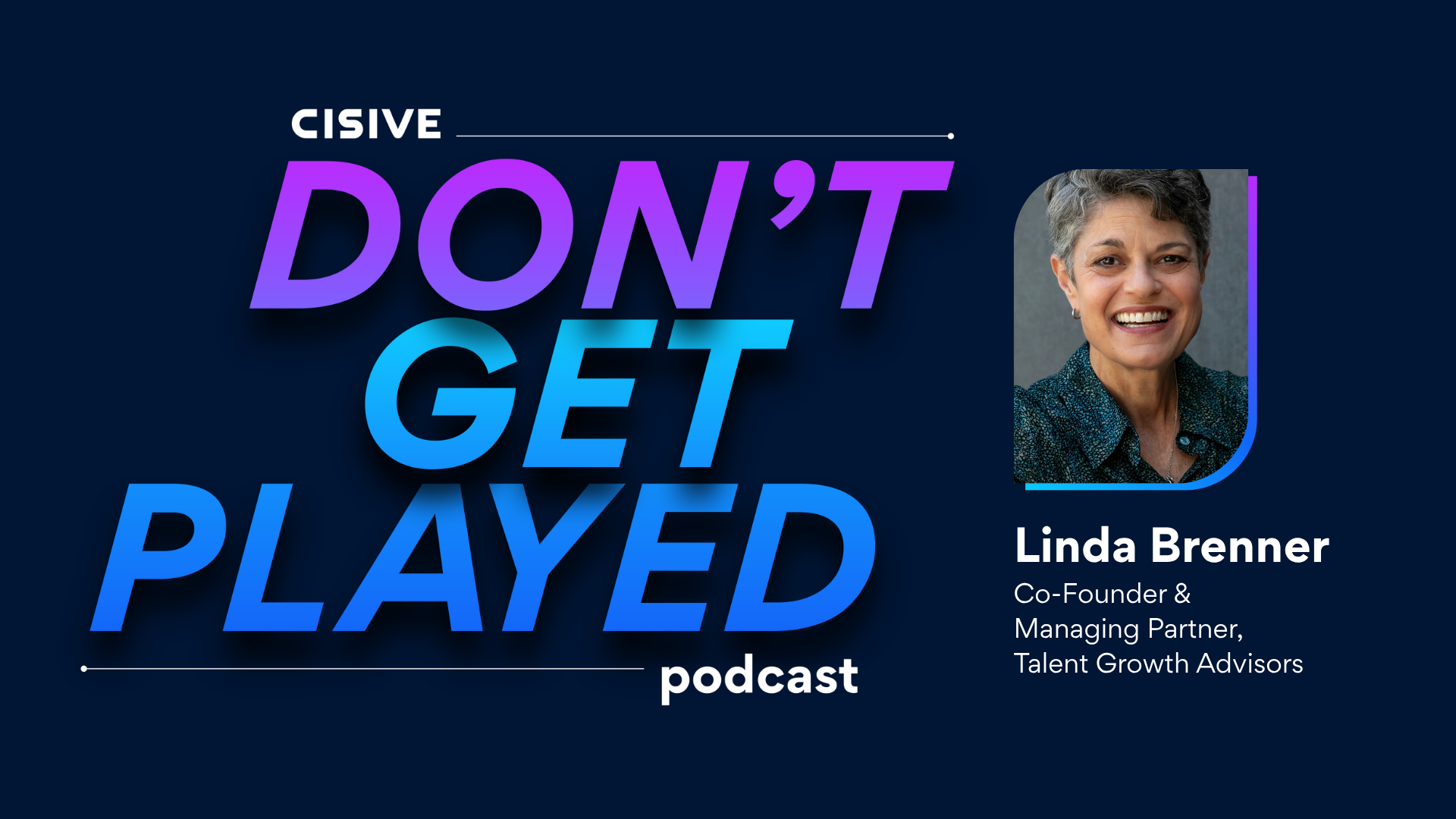
Episode 8
What Executive Healthcare Recruitment Gets Wrong (And How to Fix It)
28 minutes
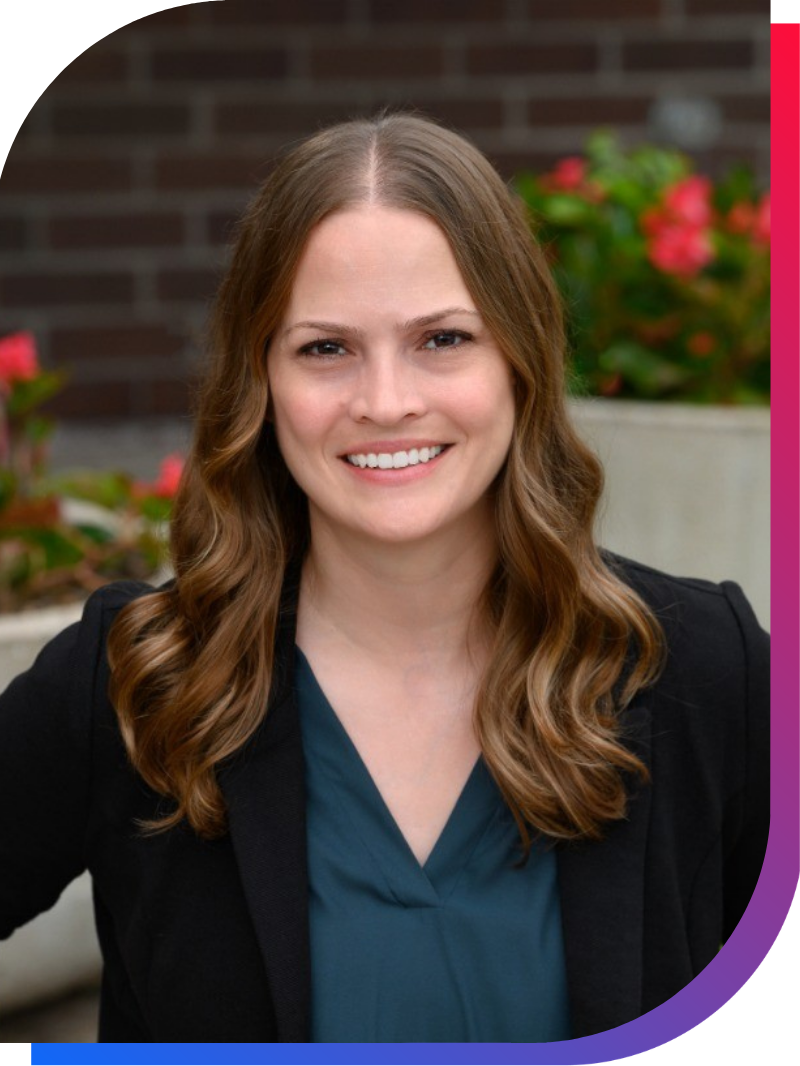
Melissa Wheeler
President, NAHCR
Manager of Leadership Recruitment, Community Health Network

• 28 min
What Healthcare Executive Recruitment Gets Wrong (And How to Fix It)
Don't Get Played
Play
When a healthcare organization is under pressure to fill an executive role, the instinct is to move fast. That instinct, according to Melissa Wheeler, is exactly what gets organizations into trouble.
Melissa is the Manager of Leadership Recruitment at Community Health Network and president of the National Association of Healthcare Recruiters (NAHCR). On this episode, she spoke with host Matt Jaye to talk about what separates executive healthcare recruitment from frontline hiring and why the differences matter more than most organizations realize.
Speed and quality pull in opposite directions in executive hiring. The organizations that struggle most aren't always the ones with the hardest-to-fill roles. They're the ones that haven't been intentional about the process from the start.
The Misconception Behind Most Failed Executive Hires
The most common mistake Melissa sees in executive healthcare recruitment isn't a sourcing problem or a compensation problem. It's a comparison problem.
Hiring leaders hold out for a second candidate to compare against a strong first one and, in doing so, lose the first one entirely. At the executive level, the best candidates aren't waiting. They're fielding multiple conversations, weighing relocation decisions, and reading every signal an organization sends about how it operates.
"Strong executive recruitment really should be about respecting the candidate's risk," Melissa says, "and clarifying the leader's expectations up front, just being very intentional about the process."
That intentionality requires a different kind of engagement than frontline recruiting. Candidates at this level are making high-stakes decisions involving relocation and significant career risk. A recruiter who treats those conversations transactionally will lose candidates to organizations whose recruiters don't.
"It's really about the level of relationship that we get to build with the candidates," Melissa says.
Why the Staffing Shortage Looks Different at the Top
Healthcare's staffing crisis is well-documented at the clinical level, but Melissa's vantage point in executive recruitment offers a useful counterpoint. The shortage isn't absent at the top. It just presents differently.
Where clinical recruitment struggles with pipeline volume, executive healthcare recruitment struggles with pipeline specificity. Niche roles require proactive outreach, partnerships with specialized search firms, and a willingness to recruit nationally rather than locally. Melissa is direct about what that requires: "We really have to go out and seek someone."
Melissa also points to a systemic issue that affects the whole field. Healthcare technology adoption lags badly behind other industries, and organizations running on outdated systems lose candidates and lose time at every stage of the process.
AI Is Helping Healthcare Recruiters, But It Can't Replace Them.
Melissa's organization uses AI for sourcing, messaging sequences, and job posting language, and she's realistic about what it does and doesn't do well. The efficiency gains are real. But the relationship work is not something AI can take on.
At the executive level, that gap matters most. Melissa is specific about what a skilled recruiter brings to an interview that no tool can replicate: "Reading behavioral signals, especially through the interview process, understanding emotional intelligence and humility, defensiveness, having that deep organizational context, just being able to make those relational decisions."
The risk of over-relying on AI in executive healthcare recruitment isn't just a candidate experience problem. It's a quality-of-hire problem.
The pressure to fill executive roles quickly isn't going away. But Melissa's experience makes the case that the organizations best positioned to handle that pressure aren't the ones moving fastest. They're the ones that built the recruiter relationships, the processes, and the candidate trust to move deliberately and get it right.
Transcript
Melissa Wheeler:
AI can help with the automation so it can make us work more efficiently. But you need that human for just reading behavioral signals, especially through the interview process, understanding emotional intelligence and humility, defensiveness, having that deep organizational context, just being able to make those relational decisions.
Matt Jaye:
Welcome to Don't Get Played, a podcast from Cisive.
This show is for talent acquisition leaders and people managers who care about trust at work. How it's built. How it's measured. And how leaders design systems that hold up when speed, risk, and accountability collide.
I'm Matt Jaye, SVP of Healthcare at Cisive.
Executive recruitment in healthcare has always been high stakes. Patient safety, organizational reputation, and compliance are all on the line when leadership roles turn over. But the pressures are bearing down on healthcare recruiters right now. Staffing shortages, tight budgets, AI adoption, a candidate market that demands more relationships and less automation. These factors are rewriting what it means to fill a leadership role well.
My guest today is Melissa Wheeler, president of the National Association of Healthcare Recruitment and Manager of Leadership Recruitment at Community Health Network. In her role, she leads executive recruitment for her health system and hears from recruiters across the country about what's working and what isn't.
In this conversation, we get into the shift from frontline to executive recruiting and why the stakes change everything. We talk about how the staffing crisis plays out differently at the leadership level. We discuss where AI is actually adding value in recruiting and where it's creating new risks. And we get into what it takes to earn a seat at the table as a strategic partner.
Executive recruiting in healthcare is unforgiving. Melissa has seen what happens when the process moves too fast… and what it takes to get it right.
Let's get started!
Welcome to our Don't Get Played podcast. We're so excited to have you here.
Melissa Wheeler:
Yeah, absolutely. Matt, thank you for having me. I appreciate it.
Matt Jaye:
Yeah, so we've been looking forward to this conversation and just sharing your insights on executive healthcare recruitment and really recruitment as a whole with our audience. I did have a chance recently to listen to the NAHCR podcast, Trusted at the Table.
And it made me just think a little bit about, in your role, you're obviously dealing with internal leaders and then the external leaders that you're looking to recruit. Sometimes that can be an interesting dynamic. And also just in conversations we've had with recruiters in general, just getting kind of that executive seat at the table and what it actually means to be trusted in that environment.
Wondering if you have, you know, just insights on maybe a little bit about that change from frontline recruitment to leadership recruitment and how that was different adapting to.
Melissa Wheeler:
Sure. Yeah. I mean, it means a lot. Having that leadership that values your expertise as a recruiter, as a recruitment partner. Some of the difference for me going from staff to leadership is the communication, the level of communication, and the time spent with candidates. We spend more time having deeper conversations, learning more about them, noting details so that I can refer back to it.
So if someone's getting ready for a spring break trip, I can ask, you know, how'd your trip go? And just stay in contact with them throughout the process. And then if they're not selected as the finalist, we've really built up that rapport and I can have that conversation a little bit easier with them. If they are, we're both excited for them taking that opportunity.
So it's really about the level of relationship that we get to build with the candidates.
Matt Jaye:
Gotcha. So generally speaking, between frontline folks that you may have had experience filling in the past and executive leadership, would you say that's the biggest difference maker when the stakes are high? Just having that opportunity to build those longer term relationships with the candidate.
Melissa Wheeler:
That's a big part of it. I mean, a lot of it. Too, at that level, you're dealing with higher salaries and higher stakes in general. From their perspective, they may be relocating, it's a big decision. So that's another piece of it too. It just depends on where that candidate is in their life and what they're doing.
Matt Jaye:
If you had to say a misconception coming from frontline recruitment to executive leadership recruitment, particularly with healthcare executives, what would you say is a common misconception that's out there? And maybe something for somebody who's looking to make that transition to be mindful of — maybe, hey, I didn't expect this coming in.
Melissa Wheeler:
From a recruitment perspective, I think one of the biggest misconceptions is that they're going to have a certain number of candidates. It could be a niche role where it's very difficult to fill. And so they're waiting for that right resume or the right person to come through, and they're at risk of losing that person because they want to have another candidate to compare to.
Sometimes we're pressured to move quickly and that typically doesn't end well. So strong executive recruitment really should be about respecting the candidate's risk and clarifying the leader's expectations up front, just being very intentional about the process.
Matt Jaye:
Yeah, you touched on something that I feel is pretty important there with the executive leader and alignment in that regard. How do you navigate those difficult conversations when there's pressure coming on you to fill a role and, you know, maybe you haven't quite found the right candidate, or you don't want to rush and make a bad decision and fill it with the wrong person? I'm sure that those could be difficult discussions to have.
Melissa Wheeler:
Sure. Yeah, I think it comes with time and experience. So when you've had that experience before, you can reflect back on it or share, you know, this is what could happen, as an example. But also just taking the time to talk with the hiring leader and understand what they're looking for and talk through some ideas.
If you're not getting the candidates they need, what are some things that they recommend that you could try? So you really just partner together on it. And sometimes you do change course and rush and do what's needed, but really just trying to partner together to come up with the best solution.
Matt Jaye:
Do you feel like that collaboration kind of opens the eyes of the executive leaders a little bit too, to better understand things from your lens and come up with joint solutions?
Melissa Wheeler:
Absolutely. Yeah, they're just people. I've had to learn that too. As you're working with a high-level leader, it can be intimidating, but they really value the recruitment perspective and your subject matter expertise. So if you're just opening up the door and having the conversation, it goes a long way.
Matt Jaye:
You mentioned something in that last response that kind of resonated with me a little bit, and that's just the intimidation factor. I think that's an adjustment for a lot of folks when they go from frontline roles to executive and just, you know, the folks that you're dealing with.
But at the end of the day, people are people and having those collaborative conversations are important. I've seen that even in my own experience, my career ladder — that initial, oh, like, I don't want to say the wrong thing, kind of dancing on eggshells. But I find the more open dialogue you have, the better results you get.
Melissa Wheeler:
Yeah, absolutely. And a lot of them, I found that the higher-level leaders, they don't hire very often, and so they really are looking to their recruiter to help guide that process.
Matt Jaye:
I want to transition just a little bit because in the work we do, we hear and we see this all the time — the data on healthcare staffing shortages. It's been alarming for years, and I don't necessarily know if that carries up to the executive level where you're working.
We of course see it a lot with, you know, nurses, critical care positions, things like that. And curious from your perspective, just being on the inside of the organization, what does that actually look like and what's being done to try to address that, that might be unique or interesting for our audience to hear about.
Melissa Wheeler:
Sure. It's still scary seeing the staffing shortages and the predictions of what's coming. We're not seeing it at the same level for executive recruitment as we are at our staff-level positions. What we're doing now is trying to focus on a couple different approaches, like partnering with high schools and even younger students sometimes, to try to teach them about healthcare careers early.
We'll bring the students into our facility, we'll give them some hands-on learning experience. Another issue we see is particularly with clinical positions, sometimes there's a gap in schooling locally for those specialties. So we have low candidate pools, and we're looking at what programs could be sustainable to build in-house in order to bridge that gap.
Matt Jaye:
We've been seeing a lot of that over the last few years, the kind of partnerships between the academic side and the acute care side, so far as sponsoring programs for students. We've seen direct pipeline integration so that when folks are coming through their schooling, they have a direct path to employment.
So from my vantage point and the stuff we tend to see, I don't necessarily know if it's a pipeline problem per se. I think there's a lot of folks that are looking to get into healthcare, but systemically I think there are a lot of things that are broken, like not enough vacancies in the school programs. So you have more qualified candidates trying to get into nursing programs than spots available because there's not enough faculty or there's not enough clinical rotation.
Are those the kinds of things that you're seeing as well, or are there other challenges that you see that are contributing to this, for lack of a better term, a bottleneck?
Melissa Wheeler:
Mm-hmm. Yeah, very similar. We see those things. We might also see this pretty often too — we get to a point where a certain percentage of our unit is new hires, new grads, and we can't train and precept that many more. So we have to kind of hold off on hiring some of those inexperienced caregivers as well while we train up our unit. So we see that pretty regularly too.
Matt Jaye:
And how does it differ at the executive level? Is it more that the roles are just so specialized and nuanced that the pipeline doesn't necessarily become an issue? It's just finding the right candidate at the right time for the right role.
Melissa Wheeler:
Yeah, exactly. If it's a niche role, we really have to go out and seek someone. We might partner with a search firm to do an executive search that has a broader base of candidates already in their pool, or a more specialized search firm. We've done some of that too for our higher-level leaders.
But yeah, we just source and look for people that we can relocate to our state versus finding local talent.
Matt Jaye:
Got it. So that sounds like some of the stuff that's going right — finding unique ways to source for those harder-to-fill roles. In your experience, where have you seen organizations get it wrong when responding to staffing pressure, particularly at the leadership or executive level? Are there common missteps that you've seen over the years?
Melissa Wheeler:
Yeah. I think about maybe when, again, we're trying to hire too quickly because of that pressure, so we make a bad hiring decision. Or we don't consider that candidate risk. Or we're inflexible — this is the way we've always done it — so maybe we're not thinking outside the box.
Could the position be remote? That may be an opportunity too, to hire somebody who's not local, who has the experience. So we really just need to stop and think and get creative to find the right talent that we're looking for if we have those specific parameters that we have to hit.
Matt Jaye:
So in a post-COVID world, are you seeing more flexibility or willingness to adapt than pre-2020, in terms of remote and other accommodations?
Melissa Wheeler:
Mm-hmm. Absolutely. And it depends on the leader and it depends on a lot of factors. So for us, we do hire remotely, but we've limited it to a certain number of states because of tax implications. So we can't just open it up to anywhere in the US, but we do hire more remote than we used to.
Matt Jaye:
Got it. That's definitely something I've seen with a lot of the clients I've talked to. I'll make an assumption, oh, you must be in West Virginia or wherever, and they're like, no, I'm actually in Pennsylvania, and we've got folks spread out. But I think it's a great way to get access to more talent.
And obviously I know there's been a big push more recently for return to office, but I just don't see it going back to how it was pre-COVID if organizations are trying to get the best talent that's out there.
Melissa Wheeler:
Yeah, absolutely. And for us in healthcare, a lot of those overhead departments — that's space that could be used for clinical care. So I don't see us necessarily going back.
Matt Jaye:
I'm thinking ahead a little bit in terms of how technology is impacting your department and the work that you do, more specifically AI tools. I think that's kind of the buzzword that's going around for everybody. And there are a lot of practical implications, and things that work really, really well. And then there are maybe other things out there that are a little bit more noise and don't actually have the impact that maybe folks think they do.
Can you talk maybe just at a high level about how your organization and in your role you're seeing AI play a part in your recruitment efforts, and good and bad, where you're seeing that?
Melissa Wheeler:
Sure. We are embracing it in a lot of ways, just helping with automation. Right now we use AI in recruitment to source for candidates. We use it with our sourcing platforms to find passive candidates, to craft and send messaging sequences to them. So it's helping us send those emails every, you know, five days or however often we set it up — it's not something we have to do manually.
We use it for job posting language, making the message attractive to candidates. We might use it in our email communication, just helping to tailor the message to the right recipient, just helping organize our thoughts in a concise manner. So for recruitment, it's added value in a lot of ways. With our communication, with research and sourcing, those are the primary ways that we've used it.
Matt Jaye:
Do you find that the teams are embracing and adopting it pretty well, or has there been friction or resistance to that?
Melissa Wheeler:
We are very good about embracing it. It's not been a resistance, but I will say our organization, we're very particular about the vendors that we use. And so the organization itself has approved and vetted a couple of vendors that they've pushed out and given us access to. So it kind of feels like a privilege that we even have access to use it at work.
And it goes through our IT security, it goes through our legal department. It's a pretty lengthy vetting process to have that tool. So I think we're just appreciative of the opportunity and that we have a tool that we can trust. It's not open AI, it's not out there everywhere, but it's something that our organization supports.
Matt Jaye:
Yeah, obviously you're dealing with a lot of folks' sensitive information and they want to make sure it's being treated in the confidential way that it should be. I guess on the flip side, is there any trends or any things that you've seen with AI that concern you in the recruitment space, or maybe don't foster a great candidate or recruiter experience?
Melissa Wheeler:
We've heard of some things. I haven't necessarily experienced it yet here, but candidates can use AI in their interview process and so they may not be forthright about their experience. We've heard of organizations where even the interview is done by a bot, so you don't know that you're talking to them if you're not on video, if you're not seeing them face to face.
So there are some concerns from that aspect that we're trying to get out in front of. From a recruitment perspective — are you talking to the person? Do they have the skills that you're looking for, or are they using AI to help throughout that interview process? From a candidate perspective, we've heard concerns out in the market about their application being automatically declined by AI.
We're not using that technology here currently. We do touch every application and look at them. But I could see the concern with that.
Matt Jaye:
Yeah, it sounds like you guys have embraced it in a very thoughtful way where it's really just enhancing the human lens that you're putting on it and allowing your team to be more efficient. I've heard similar stories though, where the interviews are conducted by bots, auto denials — and I think that's the stuff that makes people a little cringey when they think about AI, is that there's no human involvement and it kind of depersonalizes the process.
I'd imagine, especially at the executive level, that's really important where those folks are probably looking for very much a white-glove treatment throughout the candidate experience. And that's a reflection on your brand as well.
Melissa Wheeler:
Yeah, absolutely. It's all about that relationship piece, and you don't get that with AI.
Matt Jaye:
Yeah. How do you think about that human judgment piece and the balance between what a skilled recruiter needs to be there for, or a recruiting manager, and what AI can do for you?
Melissa Wheeler:
That's a very good question, and I think I touched on it a little bit. AI can help with the automation so it can make us work more efficiently. When a recruiter sets up an email sequence, they know what they're saying. I mean, you're still responsible for the content you put out there, even if AI drafted it.
So we have to be really thoughtful about what we're using and what we're approving to be shared in communication. But you need that human for just reading behavioral signals, especially through the interview process, understanding emotional intelligence and humility, defensiveness, having that deep organizational context, just being able to make those relational decisions.
Matt Jaye:
I am curious, just switching gears a little bit. Being that you're the president of NAHCR, you're in a unique position because you hear from recruiters all over the country. And we talked about a couple of things throughout our conversation — one being bottlenecks and talent pipeline and some of these systemic things.
But I'm curious, what are the dominant challenges that you're hearing about, specific to recruitment in healthcare?
Melissa Wheeler:
Mm-hmm. Yeah, and you touched on them a little bit earlier. One is that bottleneck, or not having the talent, the staffing shortage, primarily with clinical. The other piece that's pretty widespread is budgets are low, so how do we become more efficient and do more with less? That's been the biggest theme that we've had probably over the past year.
Matt Jaye:
With that said, I think that's really common in healthcare and other organizations as well — this doing more with less. And it feels like technology helps bridge that gap a little bit through some of what we talked about with AI and automation. Would you agree with that? And I guess what other areas are you seeing new ways of being more efficient take hold that are helping to address that?
Melissa Wheeler:
Yeah, that's a good question. I don't know that I've solved that yet, but just being flexible to this ever-changing market. There's no normal. We talk about when things get back to normal, but every day is just a new opportunity. There's something going on. So embracing the tools and technology that we have available to us to improve not only your experience at work, but the candidate experience.
We're kind of going back to focusing on the human, the individual, the customer experience and candidate experience, revamping that focus. And how do you do that more efficiently?
Matt Jaye:
Yeah, it's kind of interesting, right, to see how that pendulum swings between being so technology focused that you lose the human element, and then so human-element focused that you lose the efficiency component. I think it's like a teeter-totter.
Melissa Wheeler:
Sure.
Matt Jaye:
You know, how do you find the balance between those two things?
I guess if you had to call out something that the healthcare recruiting space really needs to grow and improve as a profession, is there anything in particular where you see just a tremendous amount of opportunity outside of some of the things we've talked about that would better enable folks coming into these roles?
Melissa Wheeler:
I'm thinking about healthcare recruitment — I think, like healthcare in general, we tend to just be behind when it comes to technology. So we're working on implementing a new ERP at my organization where other organizations have been using it for 15 years. So it's exciting, but we are always kind of lagging in that.
So if we could adapt quicker to the technologies, then we could be more efficient.
Matt Jaye:
Yeah, that's an interesting insight. I think we share that with you, because we're kind of a unique space at PreCheck. We work with a lot of colleges and universities, we work with a lot of acute care organizations as well, and sometimes the dots just don't get connected. Like as an example, healthcare organizations have hiring challenges and they're not able to get the talent that they need in. But then over here you have all of these schools that are sending folks to you on clinical, and a lot of what we hear is there's just not great systems and processes to connect those two dots and have that pull-through rate.
I know in your role it's focused more on executive-level recruitment, so I don't know if you see that quite as much, but just as you were sharing that example, it kind of gave me a little bit of a lightbulb moment. I'm like, yes — like those are the kinds of things we hear from healthcare leaders all the time. If they could just organize the data better, if they had better systems and processes, it would alleviate a lot of the bottlenecks that we tend to hear about and see.
Melissa Wheeler:
Yeah, and there are a lot of things that we do well and a lot of tools that we've implemented that have helped. So I think we're getting to a better place, but it just takes time.
Matt Jaye:
And I guess, where do you see the role of NAHCR in that? I've noticed NAHCR has its own certifications, there's the Hiring Scope podcast, and ongoing education. Do you feel like that's beginning to fill some of those gaps for members and kind of putting them in a position to self-learn and get the tools that they need?
Melissa Wheeler:
Absolutely. Yeah. A lot of organizations offer maybe internal education, but it's not tailored to your job. So as a healthcare recruiter, I'm not getting all of that from my company. So NAHCR offers that. It's tailored education with the CHCR certification. It's a way to continue to grow and develop and earn continuing education credits.
With the Hiring Scope podcast, you're getting real-time information and it's free, so you can listen to that anywhere, stay current and relevant. And then the other thing, and we've talked a little bit about it, is the community — sharing ideas and best practices, your successes and challenges, tools and technology.
If I'm looking for, you know, hey, what ATS do you use, or what background vendor partner are you working with, we just share ideas with each other and get feedback that way too. So it's a great community.
Matt Jaye:
Awesome. And is that a pretty large community across the country? Is it national?
Melissa Wheeler:
Yes. Yeah, national association. And it varies year to year. Sometimes we have 300 members, sometimes we have more. It just depends on, again, budgets and how well known the association is.
Matt Jaye:
You've been so generous with your time. A couple things as we wind down — I'd be remiss if we didn't talk a little bit about trust as kind of the operating standard in what you're doing. Especially at the executive level, recruitment stakes are really high. In general in healthcare, right, you have patient safety on the line, organizational reputation, and you're kind of at the intersection of a lot of different processes — recruiting, credentialing, compliance.
In your experience, where would you say, if anywhere, trust breaks down in that ecosystem, if you will?
Melissa Wheeler:
Hmm. I think I'm just repeating myself, but I think it breaks down when there's not accountability, or when we're focused on speed versus quality. So faster doesn't always mean better. I talk about being more efficient, which is a quick, a fast move. But just having that transparency and communication to build and maintain trust in your relationships.
Recruiters can earn that credibility through demonstrating their subject matter expertise. And again, that comes with time and communication.
Matt Jaye:
The last question I have — this is more of a practical takeaway for folks who might be listening and are curious. If they want to be taken more seriously as a strategic partner, I know oftentimes that's a challenge for HR professionals and recruiters as a whole. What would you say is the first thing they need to change about how they operate to get that seat at the table?
Melissa Wheeler:
Well, that's a good one. I think just being flexible. I mean, we are the subject matter expert, but that doesn't mean you can't be willing to adapt and learn from your hiring leader as well. You have to learn their perspective anyway through a strategy session or however you work with them, but be flexible to meet their needs, and then showing your subject matter expertise just comes naturally with that.
So communicate proactively, frequently. Be a true partner and build that relationship quickly — that's how they could become a more strategic partner.
Matt Jaye:
I appreciate that. And then before we break, I know you had some information you wanted to share with regards to NAHCR and the upcoming conference, and a little bit of a benefit for the folks listening in today.
Melissa Wheeler:
Yeah, appreciate the time and the opportunity. I did want to share that, as a thank you, today's listeners can receive a discounted NAHCR conference registration. So NAHCR 26, which is happening July 15th through 17th in Milwaukee. That's by using the registration code INVITED26. For that, you can attend the full conference for the price of one day.
Matt Jaye:
Awesome. We appreciate you sharing that and hope our listeners take advantage. Thank you so much for the time today.
Melissa Wheeler:
Absolutely. Thank you.
Matt Jaye: Speed is not the same as efficiency. That distinction runs through everything Melissa shared today.
Healthcare recruiters are under real pressure. Thin budgets, hard-to-fill roles, and an increasingly complex candidate landscape. The temptation to move fast is constant. But the organizations that get it right are the ones that slow down enough to understand candidate risk, align with hiring leaders early, and treat the process as a relationship rather than a transaction. That discipline is what builds credibility over time.
AI has a role here, but it's a narrow one. It can automate the sequencing. It can improve a job posting. It cannot read the room. The behavioral signals, the emotional intelligence, the relational judgment calls… those require a human. The recruiters who understand where that line is will be better positioned than the ones who outsource their instincts.
And earning a strategic seat at the table doesn't start with authority. It starts with communication. Proactive, frequent, and honest communication… even when the news isn't good.
Thanks to Melissa for a direct and thoughtful conversation. If you found this useful, subscribe on Apple Podcasts, Spotify, or YouTube. And share it with a colleague navigating the pressures of healthcare talent strategy.
We'll see you next time. And remember, in the meantime… don't get played.
More Episodes
EP 14
August 25, 2026
Speed to Lead in Trucking: The 24-Hour Rule That Stops Candidate Drop-Off
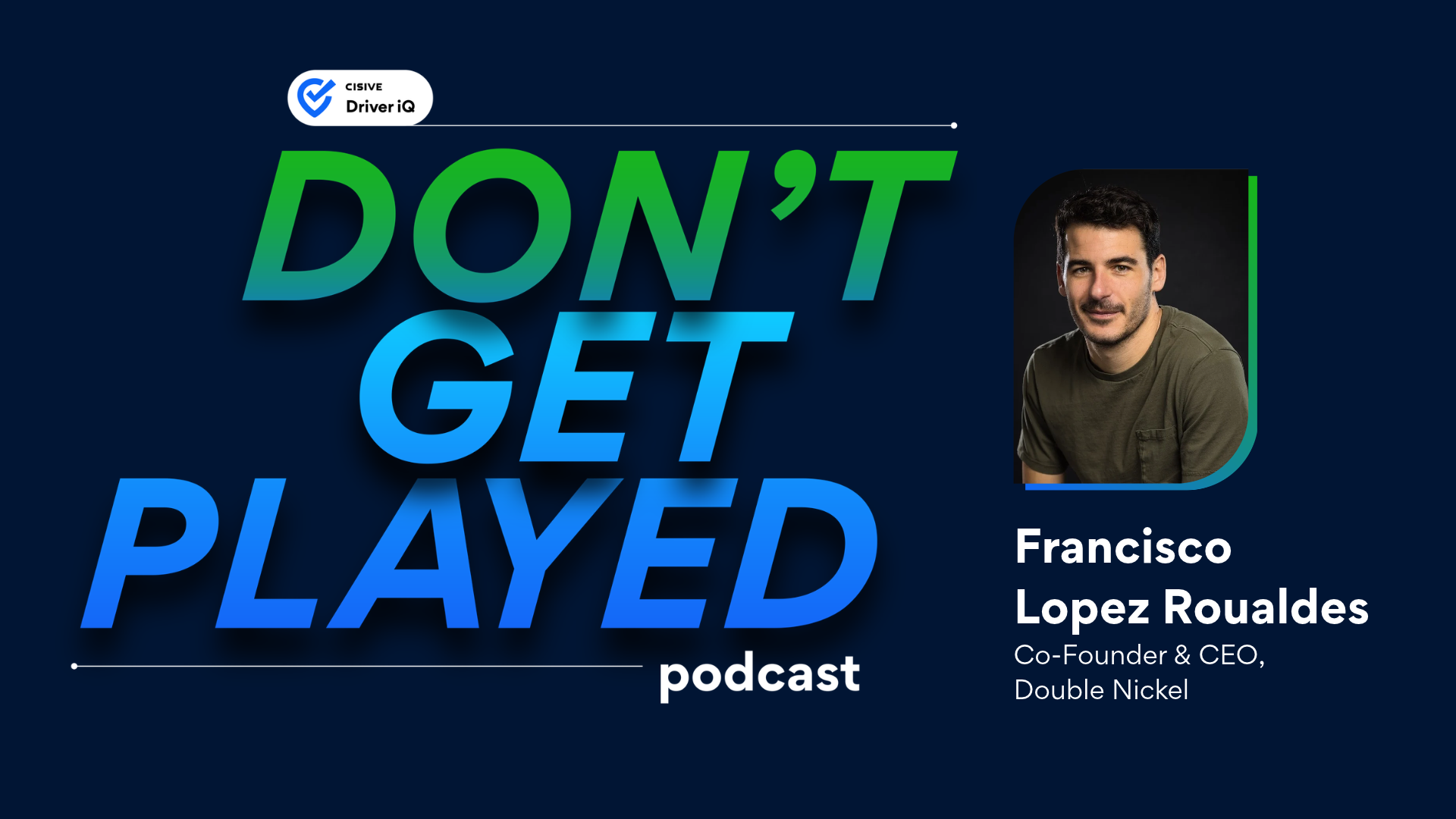
with Francisco Lopez Roualdes
Listen Now
EP 12
July 28, 2026
Stop Treating Provider Credentialing as an Afterthought
with Brianna Peoples
Listen Now


Ready to get started?
Book time with one of our screening experts to find out how we can streamline your talent process with a free assessment
Get your free assessment