Speed to Lead in Trucking: The 24-Hour Rule That Stops Candidate Drop-Off
with Francisco Lopez Roualdes
Listen Now


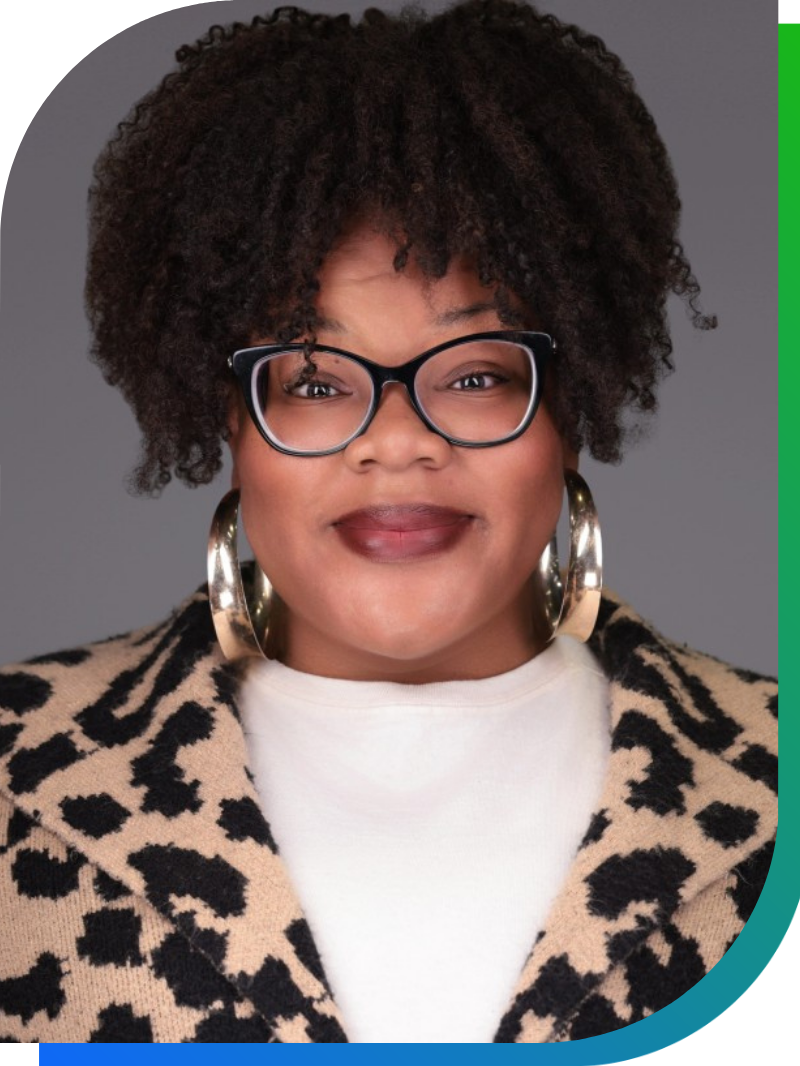
Christy Choice
Professional Services Consultant
Tenstreet
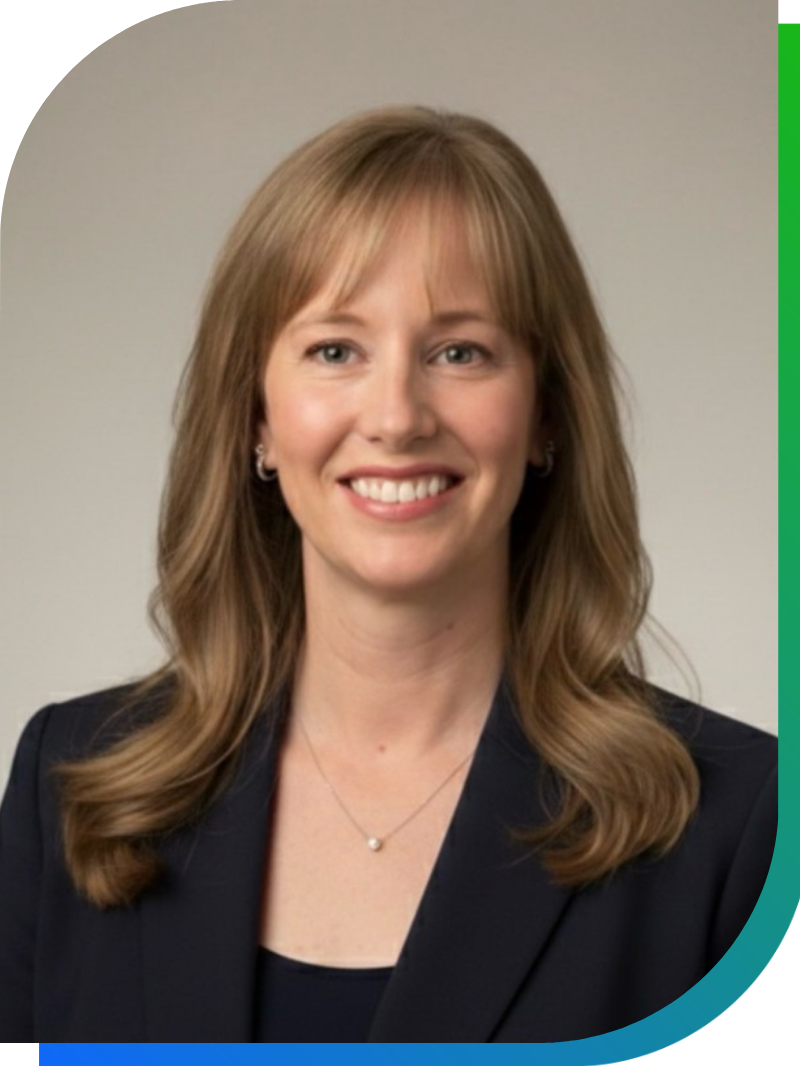
Amanda Worthen
Director of Driver Employment
Roehl Transport

Recruiters at carriers obsess over speed. Extend the offer first, win the driver. It’s simple, obvious, and wrong.
A fast process only works if what's underneath it is actually connected. The process rarely breaks because of one piece of software. It breaks in the handoff, the moment background screening, the applicant tracking system (ATS), and onboarding stop talking to each other. That's when a recruiter is left to figure out what’s broken, and their drivers are fielding other offers.
Christy Choice, Professional Services Consultant at Tenstreet, has onboarded hundreds of carriers and seen nearly every version of a stack that doesn't communicate. Amanda Worthen, Director of Driver Employment at Roehl Transport, inherited a hiring operation that already worked. She's spent her time since figuring out what keeps it that way.
On this episode of Don't Get Played, they join host Carlo Solórzano to talk about what separates an integration that holds from one that quietly falls apart.
Christy knows recruiting in the trucking industry. She co-hosts the Carrier Code Podcast, where she and industry leaders dig into safety culture, driver retention, and technology adoption. She has walked into hundreds of recruiting setups, and the pattern rarely starts with bad intentions. Carriers pick a background screening vendor and an ATS, then treat each as its own decision instead of one piece of a shared workflow.
"Every part of your tech stack is there to solve a specific problem," she says. "And when things aren't aligned properly, it's gonna lead to a lot of frustrations."
Those frustrations are the tax nobody puts in the budget. It shows up as recruiters manually re-entering data that should have moved automatically and chasing status updates across two logins. It’s a real cost a carrier doesn't notice until a driver takes an offer somewhere else.
The tax compounds because it's not always visible. A carrier can point to a fast application-to-offer time and still be bleeding hours to friction that never shows up in a report.
Amanda knows exactly where the workaround habit shows up first. "The amount of reports our team reviews in a day can be absolutely mind-blowing," she says. "You could get report blindness." When every report looks the same, a manual process depends on someone catching the one detail that matters, every time, without fail. That’s not a formula for success.
Amanda described how a better way is a background report built to be scanned instead of studied. For example, Driver iQ's red flag indicators point straight to what needs attention. Those red and green indicators flag exactly where a recruiter needs to look, which matters more than you might think in high-volume recruiting.
"If your background reports are creating more questions that slow down the process, that's something that we just can't afford in this business," Amanda says. When someone needs to explain to a driver why the process is being held up and can’t, that's where the real cost shows up.
What Roehl got right, in Christy's telling, comes down to timing. Integration got built into the hiring strategy from the beginning, before any vendor was chosen. When Amanda arrived, she expected to find something that needed fixing. Instead, she found a hiring operation where the partnerships behind the technology had been maintained as carefully as the technology itself.
"Our Roehl team, they're thorough," she says. "They're thoughtful when it comes to that," and, as she puts it, "we've had an amazing team that has kept us up to date with our integrations."
A hiring stack built around integration from day one doesn't need a hero to walk in and fix it. It just needs someone to keep it running, which is a very different job than someone stuck patching gaps between systems that were never designed to connect.
Christy describes how carriers should evaluate partners going in. Start with a list of what actually matters, whether that's response time, report history, or roadmap plans, and hand that list to vendors instead of hoping they guess right.
That's the real argument for treating screening and ATS providers as strategic partners instead of vendors. Partners get looped in on what a carrier needs before a decision gets made. Vendors just get told what was already decided.
Carriers who keep winning drivers aren't running the fastest process on paper. They're the ones who never let their systems drift out of sync, and who picked partners willing to stay in that conversation for the long haul.
Amanda Worthen:
The amount of reports our team reviews in a day can be absolutely mind blowing. I mean, you could get report blindness, right? It's just they all look the same. They all start looking the same. And so I think, you know, having these indicators is a way to stand out on a page. It tells you exactly where you need to pay attention to. That's gonna save time for myself.
You know, so it gives you a quick way to review those reports in our busy, fast moving environment that we all live in every day.
Carlo Solórzano:
Welcome to Don't Get Played, a podcast from Cisive.
This show is for talent acquisition leaders and people managers who care about trust at work. How it's built. How it's measured. And how leaders design systems that hold up when speed, risk, and accountability collide.
I'm Carlo Solórzano, Senior Director at Cisive Driver iQ.
Driver hiring in trucking is fast and unforgiving. Fleets are competing for the same candidates, and the window to make a decision and extend an offer is narrow. Most carriers know their process has gaps. Fewer know exactly where those gaps are costing them.
Today I've got two guests who have built something that actually works. Christy Choice is a Professional Services Consultant at Tenstreet. She's onboarded hundreds of carriers and has seen every version of a fragmented hiring operation. Amanda Worthen is the Director of Driver Employment at Roehl Transport. She stepped into a hiring stack that was already firing on all cylinders and has seen firsthand what it looks like when integration is done right.
In this episode, we talk about what a fragmented hiring operation actually costs. We get into what separates integrations that hold from ones that fall apart. We cover what good vendor support looks like when something goes wrong. And we talk about what it means to constantly challenge the status quo in your own process.
Speed and trust both matter in this market. When recruiting teams have both, they win.
Let's get started!
Christy Choice, Amanda Worthen. Friends, welcome to the podcast.
Amanda Worthen:
Thank you for having us.
Christy Choice:
So glad to be here. Oh my gosh, this is so great already.
Carlo Solórzano:
Let's just jump right in and let's kind of talk about hiring stacks. Christy, when you're onboarding a new carrier at Tenstreet, and I know you've done a ton of them, right, what's the most common mess that you walk into and what does a fragmented hiring operation look and feel like, right?
Talk to us through that a little bit.
Christy Choice:
Well, I mean, I've been around a while, so I have seen a lot. But lately, more recently what we're seeing is that people come to us kind of knowing a little bit more of what they want. I think in the past it was like, hey, I don't know. Give me recommendations. Tell me what folks are doing. And they kind of didn't know where to start. And now they're coming to us at least with a different framework for what they're looking for. And we can still be prescriptive. But also it's more conversational, Carlo. It's like, hey, what's important to you? What does your tech stack already look like?
Who are you looking to integrate with and what are you, what are your goals? Right? And we're able to have deeper, better conversations. So from the beginning we can anticipate some needs and then make sure that we plug in the right pieces to their hiring puzzle. That journey that is ever evolving, ever changing, but something that is so vital to, you know, the success of any carrier.
Carlo Solórzano:
When you're working with a carrier that you're trying to onboard and they don't have their tools integrated, what do you think that's costing them? Like, not just in time, but like, you know, as far as candidates and hires and, you know, decision making process, et cetera.
Christy Choice:
I mean, I could answer that of course with time because it does cost a whole lot of time. But I think there is so much frustration that we don't talk about enough, right? Because if you think about every software solution, every part of your tech stack is there to solve a specific problem. And when things aren't aligned properly, it's gonna lead to a lot of frustrations internally where people are still trying to understand technology and how everything flows together. But I don't think we talk about the frustration enough, right? Because the technology is meant to make things better and easier, and when it's not.
In place or it's a misfiring, then that creates frustrations. And in trucking it's already so fast paced, so we can't afford to like, miss and, you know, add frustrations onto the process.
Carlo Solórzano:
And I'd add to that, I think that frustration is both on the carrier side with the recruiters who are trying to make their quotas and get people hired, and with the drivers who are, you know, looking to get on with their next role. Right. And so I could...
Christy Choice:
Absolutely. Yeah.
Carlo Solórzano:
Well, so Amanda, let's get a little of the carrier flavor here, right? You joined our friends at Roehl and our buddy Tim, gosh, I probably about 18 months ago now. And you stepped into a really well-formed process, right? It was already built out for you. What did it feel like to walk into a place that's got a hiring stack that were, where things were already actually talking to each other, things were working?
And what were some of the signals that you saw right away that was like, oh, okay, things are working here.
Amanda Worthen:
Well, you know, coming into Roehl and just looking at Roehl's process and their partnerships. So, you know, the ones that we have with Driver iQ have been extremely useful in our hiring process, but also those integrations, they work seamlessly with our applicant tracking system, Tenstreet. And that creates a game changing process.
You know, I've had experience working with other carriers that have had similar setups, but they don't understand the value that those types of partnerships add. So what I see differently that Roehl's doing is how much they put that effort and care and how much time they spend nurturing those partnerships and how we work together.
All of that kind of shapes our future success with our driver hiring.
Carlo Solórzano:
Good stuff. So, you know, for a carrier out there who's still running with like a patchwork of disconnected tools, what's the moment when they usually realize that the cost of doing nothing has gotten too high?
Amanda Worthen:
I think it's when they experience the time lost, exactly what Christy was saying, it's the time lost or wasted. Not being able to run those reports with that single click or having to read those confusing MVRs. They don't have those helpful Driver iQ red and green indicators on those reports to call 'em out. And then when they run into problems and they don't have that customer support, I think when they're trying to find who do I talk to, who do I call? All of those are critical moments. And if you don't have that support, then you're going to, you know, run into some issues. And so every recruiting department has those challenges. And so those are some of the ways that we find that we are being successful because we have all of those things.
Carlo Solórzano:
Yep. Integrations and partnership on the front end and service and support post integration, right? It all matters.
Amanda Worthen:
Right.
Carlo Solórzano:
Yeah. So, Christy, what does it take to build an integration between Tenstreet and Driver iQ that a, that a carrier can rely on every day? Right? Like, what separates integrations that hold versus ones that fall apart and just don't add value.
Christy Choice:
That's a really good question, Carlo. And I guess the way I would answer that question is reputation. It means a lot to know that you are choosing a background screening vendor that is going to understand what your needs are, anticipate them, and continue to provide that service and support that is needed.
Right? I think that's something that a lot of the carriers that I work with, that's what they're looking for. They're looking for that relationship and they're looking for the partnership, right, to ensure that the partnership is strong so that as they give us feedback, whether it comes to us on the Tenstreet side or comes to you on the Driver iQ side, that it's still, it's being addressed, right?
How do I get what I need and how do I get it quickly, and I shouldn't have to go through a whole lot of turns and changes in order to have my voice heard and to know that my needs are being met and addressed.
Carlo Solórzano:
Sure. You know, and it's a little unique with Tenstreet and Driver iQ in that, you know, I've got history at Tenstreet and prior existing relationships with so many of you all. But, sort of thinking outside of maybe just Driver iQ, right, what does it look like when vendors get in the same room with one another to problem solve together?
And why do you think that doesn't happen more often?
Christy Choice:
Oh my goodness. That's a really great question. And Carlo, you and I, we travel the circuit. Amanda, you're out there with us sometimes. And one of the things that I love to see is that people are so willing to share ideas and to share experiences, right? Because collectively we learn together. Carriers have a choice, whether it's an ATS partner that they're working with, a background screening vendor, anyone in their tech stack, there's lots of choices, right? But what they're looking for is someone who's gonna speak to their unique needs. And I think that we win when we win together and we share information. And we understand that a lot of times it's about the relationships and the partnerships that those are founded on.
Carlo Solórzano:
Yeah, I couldn't agree more. And you and I have been a part of many conversations both with one another and with other partners in the industry that we have those conversations at shows on the road somewhere. And so many problems get solved in those informal, ad hoc, hey, the three of us bumped into one another, and it comes up that, oh, we're having this issue, right?
And we're just, we just knock it out right there and like, oh, yep, let me send a text message back home, you know? And it's fixed before we ever were ever done with our conference.
Christy Choice:
That's exactly right. I remember a time when we were traveling, like, we were at a conference and we were in a vehicle traveling to like an offsite, like situation. And we were talking about some stuff and, like, by the time we reached our destination, like, we had our marching orders, and you and I both knew what we needed to do and we had sent those text messages.
So, hey, that's not just a story, that's real talk.
Carlo Solórzano:
That's right. I think that may have been on a bus at CVTA, if I'm not mistaken.
Christy Choice:
That was a bus. I was like, it wasn't, it was too big to be like an SUV. Yes, it was absolutely that.
Carlo Solórzano:
All right, I'll keep us on the rails here. Amanda, when you got to Roehl and you started using their integrated workflow, what stood out for you as far as like things that had been clearly, you know, thought out and were working, and then what were some of your indicators that there might be some places that you could put your stamp on it and make some Amanda Worthen improvements?
Amanda Worthen:
When I got to Roehl, they are so intentional and thoughtful in their partnerships and their process. So I honestly had nothing to change. Our Roehl team, they're thorough. Like I said, they're thoughtful when it comes to that. So, and how they implement all of that into our hiring process, it's so driver focused.
Like, how can we make sure that this process is as easy for them and easy for us? But like you said, all of that was put in prior to my arrival, so I'm not pushed for change or improvements 'cause we've had an amazing team that has kept us up to date with our integrations. They make sure that our process is streamlined and efficient, and then, you know, we really rely on those partners like Tenstreet and Driver iQ and their expertise to keep us that way.
So I would say we listen and kind of implement what the experts tell us to do.
Carlo Solórzano:
And it's so important, right? And, but that also says a whole lot about Roehl and their culture and the team that leadership and Tim have put in place over there, that they were so intentional about it and that someone like yourself who's meticulous and experienced and thoughtful can come in and go, oh, this is just, this is great.
I don't need to upset the apple cart. That speaks volumes about what they're doing over there.
So...
Amanda Worthen:
Have a great team.
Carlo Solórzano:
Yeah, for sure. So as a person running, you know, helping to run the hiring operations now, you know, what's the bar for whether an integration that you guys utilize is working, or if it's just kind of technically functional.
Amanda Worthen:
Yeah. I look at how it goes into our total process. You know, is it saving us time by being easy to use and easy to read? Is it kind of fitting easy into our current process, having that integration into Tenstreet? Is it, are we having that one click to be able to run those reports? But I also think, is it easy to teach to other people?
You know, in recruiting we're always onboarding new recruiters. We're always, you know, onboarding new processors. So are those reports easy to train and to be able to be understood, whether those people have trucking experience or they don't. And then when we have issues like, you know, utilizing customer service, are all of those, you know, kind of easy to contact? Are they easy steps to help us, you know, get us from point A to point B to where we need to go during those problems? All of that, all of that are just kinda testaments to, is it working for Roehl? Not just technically getting us the reports on potential drivers to review, but is it technically working throughout our process and our company?
Carlo Solórzano:
Got it. Perfect. Thank you. So, Christy, how do you think about supporting a carrier through leadership transitions? Right? So when someone like Amanda comes in and inherits a system they didn't create themselves, what does a good onboarding and continuity look like from the vendor side?
Christy Choice:
Oh, that's a really great question too. I think what it looks like is identifying those periods of transition. And some transition is just, let's just say it, it's messy, right? And, you know, we have to catch up with, you know, the changes that are happening. But I like to think that because we stay in communication with the carriers who use our platform, that we're able to identify those changes and say, hey, every company is different.
Some folks need a meeting and they want to learn more and understand more. So we wanna meet you where you are. We can't assume that everyone is the same anymore because there are so many ways that people are unique and complex. And so it really just looks like being open to having the conversation. And I think that when people first get to a new organization, they have a different hat on. It's not just, hey, let me learn this business. Let me learn, you know, the ways that this is different from, you know, other places where I've been. They also have a fresh set of eyes to look at processes and say, hey, is this working for us?
And so we're definitely open to, you know, having those connections, those conversations, and helping to see what we can do to meet the need and supplement the learning when it's needed.
Carlo Solórzano:
Yeah, I think that's great. And honestly, from I can, speaking from my own experience in working with, you know, maybe a carrier we've been partners with for a really long time and they have a change in leadership, you know, not everybody gets that Amanda Worthen and Roehl situation where they come in and things have been meticulously thought out and are constantly being reviewed for how are things working. Is this still relevant? Is this still benefiting everyone in the process? You know, a lot of times when somebody comes in, it's coming into sort of an atrophied situation where maybe the processes aren't up to date and aren't, you know, aren't a good match for what the market conditions are or the situation that the organization finds themselves in that moment.
And so, those can often be really dynamic conversations that spur a lot of change for the better and gives us as vendors opportunities to deepen that relationship with an existing customer already, right? Because we're able to be consultative and show where we add value by offering our expertise.
And so I love those type of conversations, and I never get tired of process improvements.
Christy Choice:
For sure. Process improvements are gonna keep going and keep happening, and every single one of those conversations looks a little different. And I think that's what I like about 'em. I'm attracted to the chaos of it all.
Carlo Solórzano:
We've got that in common.
Christy Choice:
Oh yeah.
Carlo Solórzano:
Amanda, thinking about red light, green light indicators and reports, how did that change how your team reviews results and makes those important tough calls.
Amanda Worthen:
The amount of reports our team reviews in a day can be absolutely mind blowing. I mean, you could get report blindness, right? It's just they all look the same. They all start looking the same. And so I think, you know, having these indicators is a way to stand out on a page. It tells you exactly where you need to pay attention to. It's the same for someone in a role like mine, where maybe I don't sit and review these every single day. You know, it highlights exactly where my focus needs to go, where my attention needs to go. That's gonna save time for myself.
You know, so it gives you a quick way to review those reports in our busy, fast moving environment that we all live in every day. And I've already mentioned these red light green light indicators several times, so I find them truly valuable.
Carlo Solórzano:
Yeah. So, so when you're training a new team or a new member of your team, right, who does review these reports daily, how do you build confidence in that team or that person that the data that they're seeing is reliable and current, or as I like to say, accurate and actionable?
Amanda Worthen:
That goes back to just experience and partnerships. You know, I've had the pleasure now of being a part of two companies that have been founding members with Driver iQ. And so, those two companies saw the value in those partnerships. But working with you guys over the past 20 years now, I have confidence in the company and what information you guys deliver.
So, you know, I just kind of push that down to anybody else that I am training or speaking to. That is just invaluable experience that I have that I can say that you guys provide actionable and, what did you say? Actionable and...
Carlo Solórzano:
Accurate and actionable.
Amanda Worthen:
Actionable, and, as, yes, exactly. So, that's how I make sure that I feel confident in my team.
Carlo Solórzano:
Yeah, 20 years. I mean, I don't know that any of us were old enough to have a job 20 years ago. I mean, I think we were all like in elementary school playgrounds at that point. Right? No.
Amanda Worthen:
I...
Christy Choice:
Oh, Carlo, yes.
Carlo Solórzano:
Amanda, one more for you. What's the difference between a background report that creates more questions and one that actually moves the hiring process forward?
Amanda Worthen:
If your background reports are creating more questions that slow down the process, and that's something that we just can't afford in this business, you know, we need reports that will get us accurate information. It needs to be fast. Being able to trust those partnerships with our background provider can make or break our success in hiring.
In this business, it's all about being able to present that driver with an offer as fast as possible to beat other carriers. And so having that data that we can rely on and make that hiring decision quickly, it makes all the difference.
Carlo Solórzano:
Love it. Love it. Let's talk about good partnership, 'cause I think all three of us really are bought in and invested in creating and nurturing good partnerships. So, Amanda, we'll stick with you for one more question. When something goes wrong and you need help fast, what does good vendor support look like in practice, in the real world?
Amanda Worthen:
For me, it's always being able to get somebody on the phone right away and find out how we can move forward with a solution. Right. The customer support in both of the companies are top-notch, being Tenstreet and Driver iQ. They have people on hand to address our problems and they show support right away. I mean, both of you on this podcast, I have the honor of calling my personal friend. I know I can pick up the phone right away, call you, and I'm confident that my calls are gonna be addressed. But I don't think that I'm special in any way because honestly, I know both of you would treat everyone with that same kind of love and respect, and so...
They would both, they would, everybody would get that amazing treatment. But that's what's good about vendor support and building relationships like this in this industry, is, you know, being able to know that I can reach out to someone and my problem will be addressed right away.
That's invaluable.
Carlo Solórzano:
Yeah, I think relationships matter in every line of work, right? But I just think that relationships are the glue that holds trucking and transportation together. Unlike any other place where I've had the experience of working, trucking is just built on relationships. So, Christy, how do you think about the relationship between Tenstreet and Driver iQ and a carrier like Roehl? Is it a vendor relationship or is it something different?
Christy Choice:
Well, I think it's all of the above. It's what you make it. And one of the things that I always advise carriers to do, because, you know, folks like to play both sides, but let me just say it right, but, you know, we don't wanna overstep, right? And for the folks who really care about partnership and want to make sure that things stay on track and that their vendors are anticipating their needs and moving forward and being the most helpful they can be, they understand the need to provide feedback, right? Because we do this thing together. We're looking for trends, but each business is unique. And so we're looking for trends in different directions, right? What's most important, and Roehl gets to benefit from a good partnership of Tenstreet and Driver iQ, right? And we take those things like so, so, so seriously. So it's relationship on both sides, but I think it's whatever people make it. And so I think you get in what you put. You get out what you put in, and that's the way it goes. And so I always encourage folks, find someone who you can connect with, who you can build with, who you feel safe with.
Just like Amanda said, it's really important that you are confident in the results that you're getting and the service that you're getting. And if not, don't allow it to lead to frustration. Say something ahead of time, because I think that we all want to see carriers win in the industry, when we want to see things continue to be successful, but we need the feedback.
We need the relationship, we need the communication 'cause we all do it together.
Carlo Solórzano:
That's right. Can't be afraid to have the tough conversations. And those tough conversations are what deepen and enrich relationships and partnerships. I'm fully believing that.
So...
Christy Choice:
I've seen it many, many times, many times.
Carlo Solórzano:
Yeah. So, Christy, one more for you. What's one thing most carriers get wrong when they're evaluating technology partners?
Christy Choice:
We love AI. AI is our friend, but also I think making a list of what's important to you and actually taking time to review it. I'm, I've just missed it about the AI 'cause we've had folks say, yeah, I just threw it into, you know, whatever AI they're using and I had it make the decision for me. But I think they can first start by really making a list of what's important to them. What situations have you had to overcome that you would prefer never to have to go through ever again? What's the most top thing, like, highest thing on your priority list that you want your partners to know about so that they can give you honest, upfront answers. If it's response time, if it's, you know, having, you know, making sure, hey, these reports go back years, I need it to go back.
If it's something that's unique to their business, hey, what plans do you have on your roadmap to do X, Y, Z? Make a list of your own priorities because when you don't, and then somewhere down the line you say, man, I really thought this was gonna happen. Did you ask the question and did you let us know that it was a priority?
Probably not, right? So we all learn together, but I think that's something that continues to be top of mind for me.
Carlo Solórzano:
I love that. So, Amanda, what's an all-in-one-place, like integrated workflow, meant for your recruiting team's day-to-day operations?
Amanda Worthen:
It means that we have the tools at our disposal to get the job done right. We have that easy one click ordering and that integration with Tenstreet. We have the easy to read reports with those red and green indicators. We have that great customer service support, just one phone call away if we need anything. All of those things give me great confidence in how we're supported and how we're gonna operate day to day, to be successful, especially with these two, you know, partnerships that we have.
Carlo Solórzano:
So, Christy, you know, like you said, you've been doing this for a while with Tenstreet at this point, right? And so you've onboarded hundreds of carriers, if not thousands, at this point in the game. So what's the moment that you've experienced when a team goes from tolerating a new system to actually trusting it?
Christy Choice:
Oh my goodness. Well, Amanda alluded to it earlier, but there's a part that happens where I like to call it the sweet spot. It's when they've deployed, you know, new technology and we get that feedback that says, oh my goodness, this works. This is wonderful. This is exactly what I was looking for. And when we get that feedback, thankfully we have it from a lot of our clients where we get to say, like, yes, okay.
We get that kind of stamp of approval that it's working. And so, although I'm so happy that Roehl is happy and that the partnership works for them, we know that it's proven and that it works for a whole lot of folks too, right? And so to me, hearing that feedback and knowing that we're solving problems every single day keeps us going in the right direction.
Carlo Solórzano:
Absolutely. All right, so I'll pose this one to both of you, and Amanda, alphabetically speaking, you can go first. If you could tell every fleet director one thing about what their recruiting teams need from their tech stack, what would that be?
Amanda Worthen:
Well, first I would say don't stand for status quo. So, just like you said, if you're coming into a new carrier or if you haven't evaluated your old process in a while, don't just hang on to status quo. I mean, there could be something that you change that could have broken something, so just evaluate your process at all times. But when it comes to kind of looking at your background and making sure that those are up to par, I would say, you know, continuing to have those direct conversations with your background partner to make sure that you are on the latest and greatest thing, right? So again, just never let a process sit and not constantly be evaluating it to make sure that it's working, it's reliable, and it's getting you what you need.
Carlo Solórzano:
That constantly challenging the status quo, I think, is important. Christy, what about you?
Christy Choice:
Well, I agree with Amanda, really. And I think, you know, it does boil down to reevaluating your processes on an ongoing basis. But I think, of course, we see the trend toward interconnectivity, making sure, you know, you don't have disparate technology systems sitting out there that really need to be connected. And so I think that it's becoming easier because people are very tech friendly and tech forward now. But, you know, reevaluating those processes, not just to include your internal workflows, but to include evaluations of your providers, to make sure you're not leaving anything on the table. Just like Amanda said, that you're on the latest and greatest thing, that you're taking advantage of the new trends and the new tools that are available. Because sometimes folks don't know what to ask, but if you let your vendors know, hey, I'm evaluating this, these are the type of outcomes I'm expecting, can you help me? Oh my goodness, that takes us most of the way there.
'Cause you're asking that open-ended question and giving your vendors an opportunity to help meet you where you are, but get you where you need to be, most importantly.
Carlo Solórzano:
That's for sure. You know, it's one of the things you said there, was so interesting to me around the openness to adopting new technology, and I guess since we've all been doing this for 20 years or more, according to Amanda, I don't know how that's possible. It is. Really remarkable, the difference in the openness to adopting those new technologies that, you know, are coming about and have come about.
You know, I think back to my early days when I was working on your team over there, Christy, it was vastly different. And so I guess I would say, what a difference 20 years can make in people's openness to technology and letting it work for them, right?
Christy Choice:
For sure, 1000%. We've seen a change there. And it used to be like, hey, we gotta wait for that guy in the corner to retire because he's, you know, against technology. But now it's like, hey, show us what you have. We wanna hear about it because they wanna remain competitive in this, you know, industry.
Carlo Solórzano:
That's right. You gotta evolve or go extinct, I think, in this industry today, for sure.
Christy Choice:
For sure.
Carlo Solórzano:
That's all I've got for you guys. Thank you so much. I hope it was enjoyable for you.
Amanda Worthen:
It was. Thank you so much for having us.
Carlo Solórzano:
In driver hiring, the window to make a move is short. Carriers who have their tools integrated, their reports readable, and their vendor partners responsive are more competitive. Full stop.
What stood out in this conversation was how much the relationship behind the technology matters. The integration is only as strong as the trust between the people managing it. Vendors who stay in communication, anticipate changes in leadership, and invite feedback don't just solve today's problems. They help carriers stay ahead of the next one. And for recruiting teams, a system worth trusting isn't just one that works technically. It's one that's easy to teach, easy to use under pressure, and backed by people you can actually call.
Thank you to Christy and Amanda for sharing what that looks like in practice.
If this episode was useful to you, subscribe to Don't Get Played on Apple Podcasts, Spotify, or YouTube. And if you know a fleet director or recruiting leader who's still running on disconnected tools, send this one their way.
We'll see you next time. And remember, in the meantime… don't get played.
with Francisco Lopez Roualdes
Listen Now
with Tommy Valenzuela
Listen Now
with Tracy Rushing
Listen Now


Book time with one of our screening experts to find out how we can streamline your talent process with a free assessment
Get your free assessment